Into the Lakes
Cumbria · England · midsummer
A Cumbrian Summer

Into the Lakes

One bright week among the fells: a man with a yard full of history, a circle of stones with a temper, England's deepest water — and the field where a schoolboy photographed a flying saucer.

set off ↓
Jack's Ladthe Moffat yardUllswaterthe steamersLong Megthe stonesRavenglassla'al rattyWast Waterthe screesTorverthe saucerone summer week, clockwise round the old counties

The route, roughly clockwise round the old counties of Cumberland and Westmorland.

I

Jack's Lad

The man who mechanised the fells

Bill Moffat · Westmorland
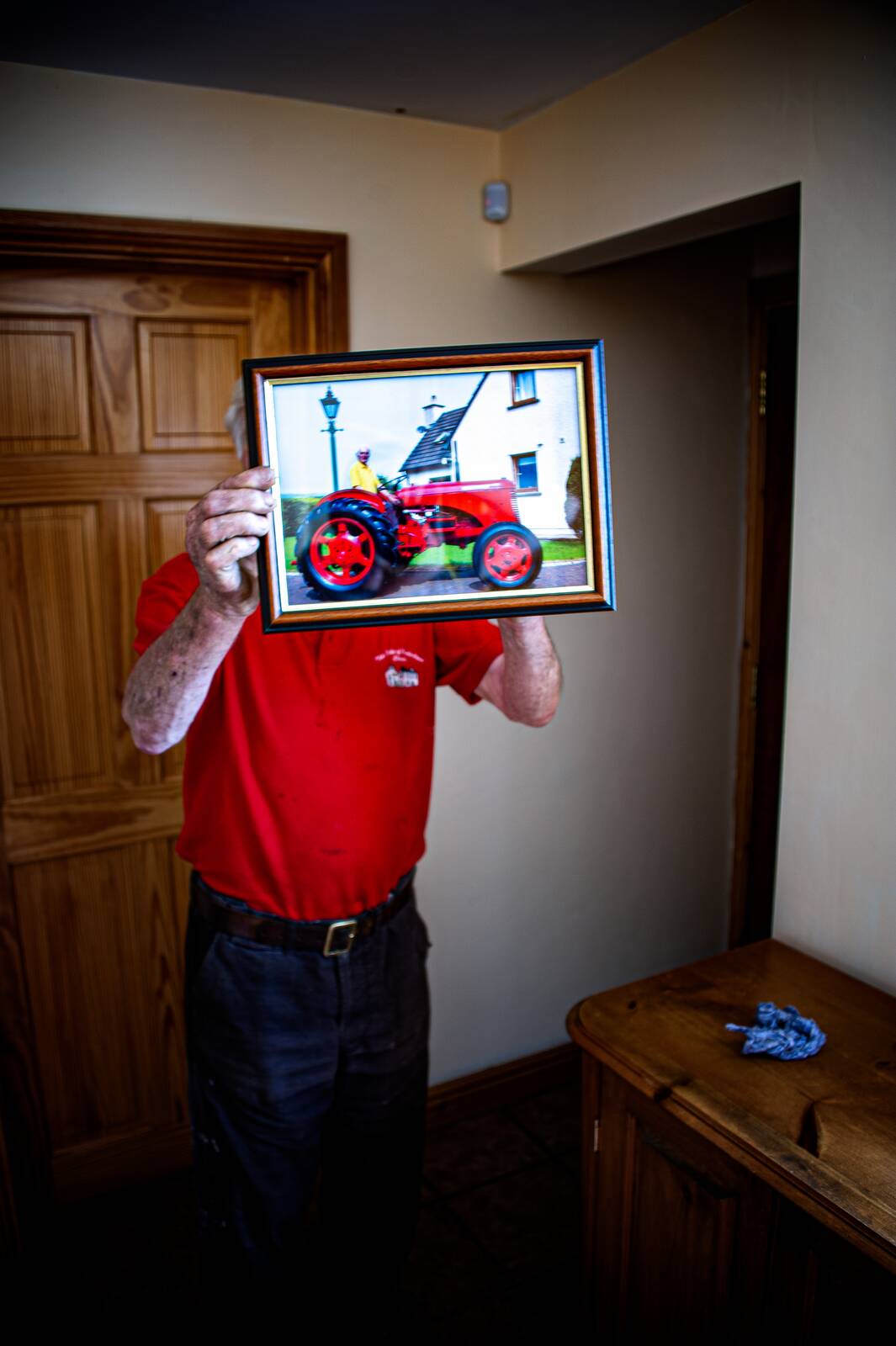
Bill Moffat holding a framed tractor photograph in front of his face

Knock on the door —

BillBill Moffat introduces himself the only way that makes sense: from behind a photograph of a tractor. Fifty years an agricultural contractor — the family firm kept half the Lake District's farms running.

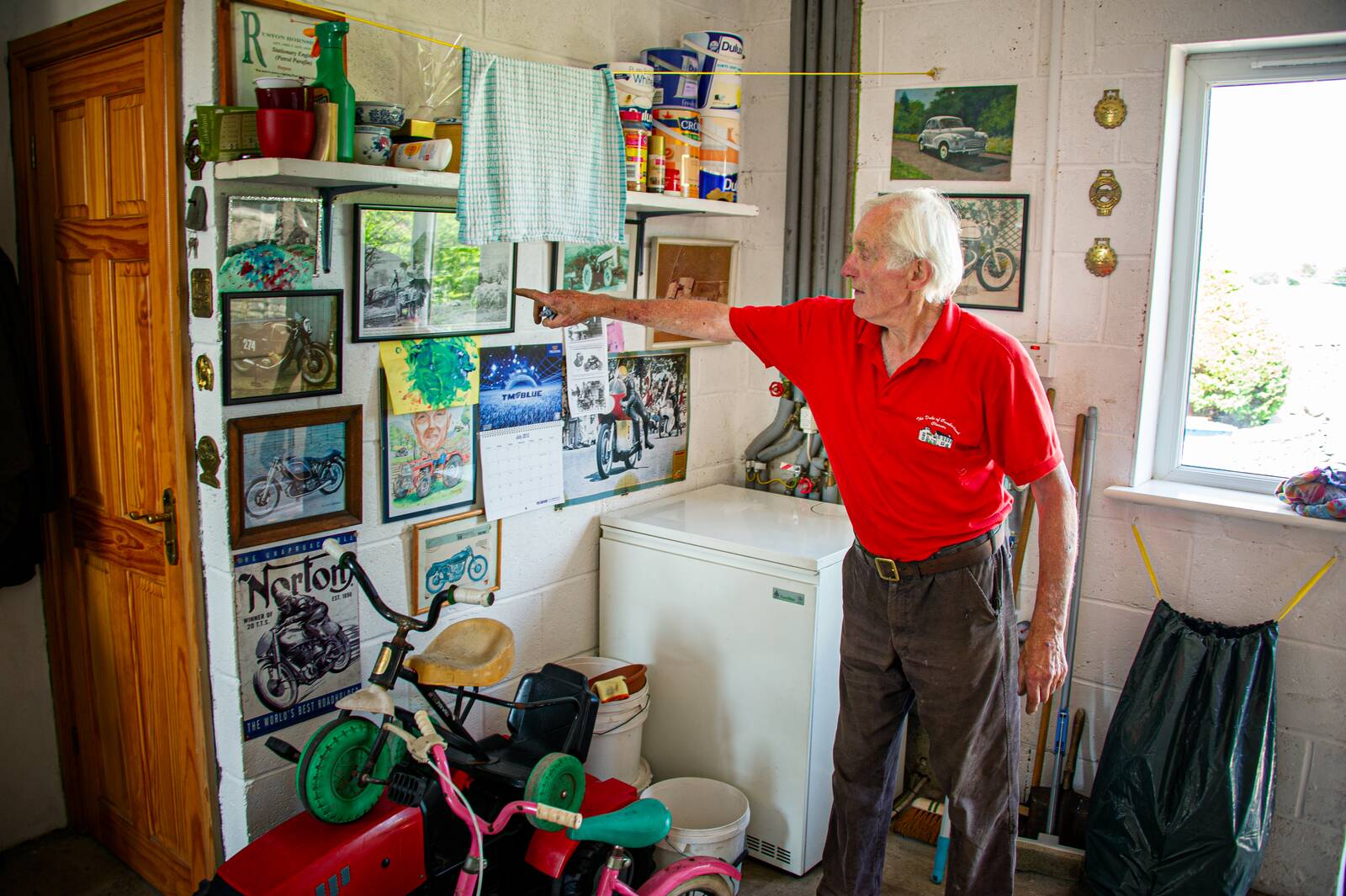
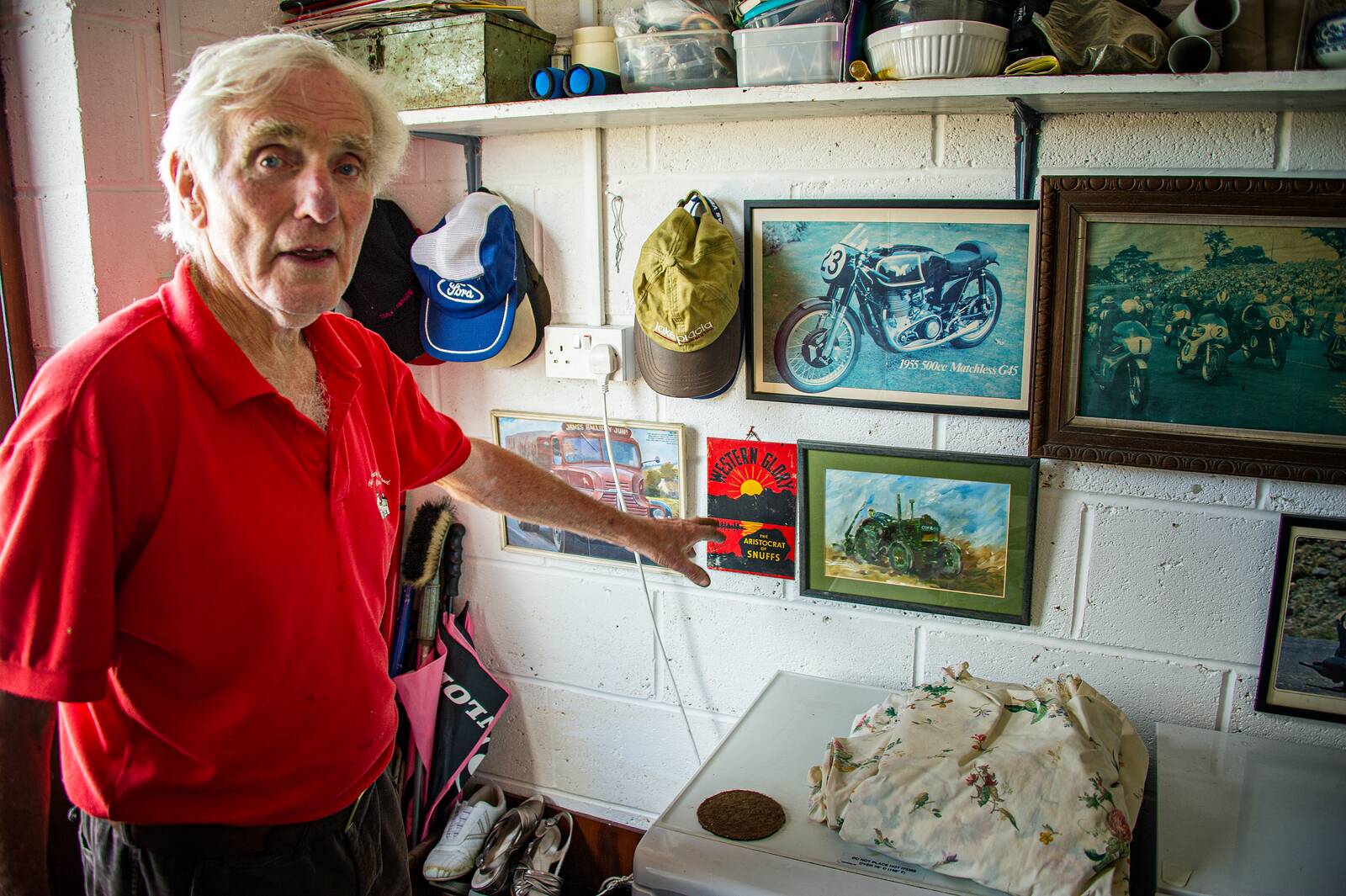
The garage museum

His garage is a museum that never meant to become one — paintings of Nortons and Fordsons, photographs of harvests, every nail carrying something.

the gallerythe gallery
every wall a storyevery wall a story
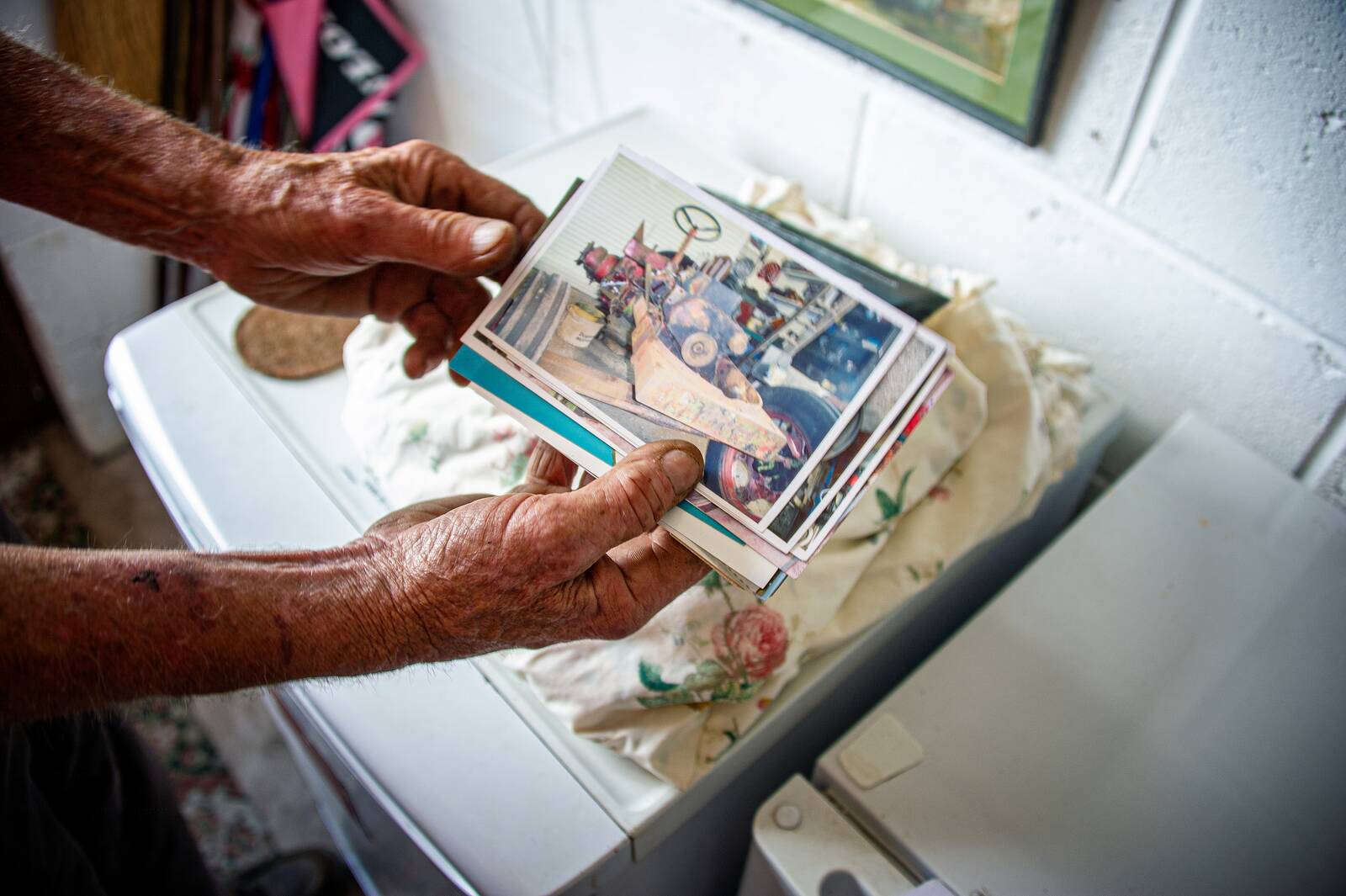
Bill's hands sorting old photographs

The archiveHands that worked these machines for half a century, sorting photographs of them like family — which, he'd tell you, is exactly what they are.

the big wheel does the work funnel — hear it three fields off FORDSON MAJOR the tractor that mechanised the fells — Bill's is DJM 13, and it still runs field sketch, drawn in the yard

Field sketch from the yard: the machine the whole story turns on.

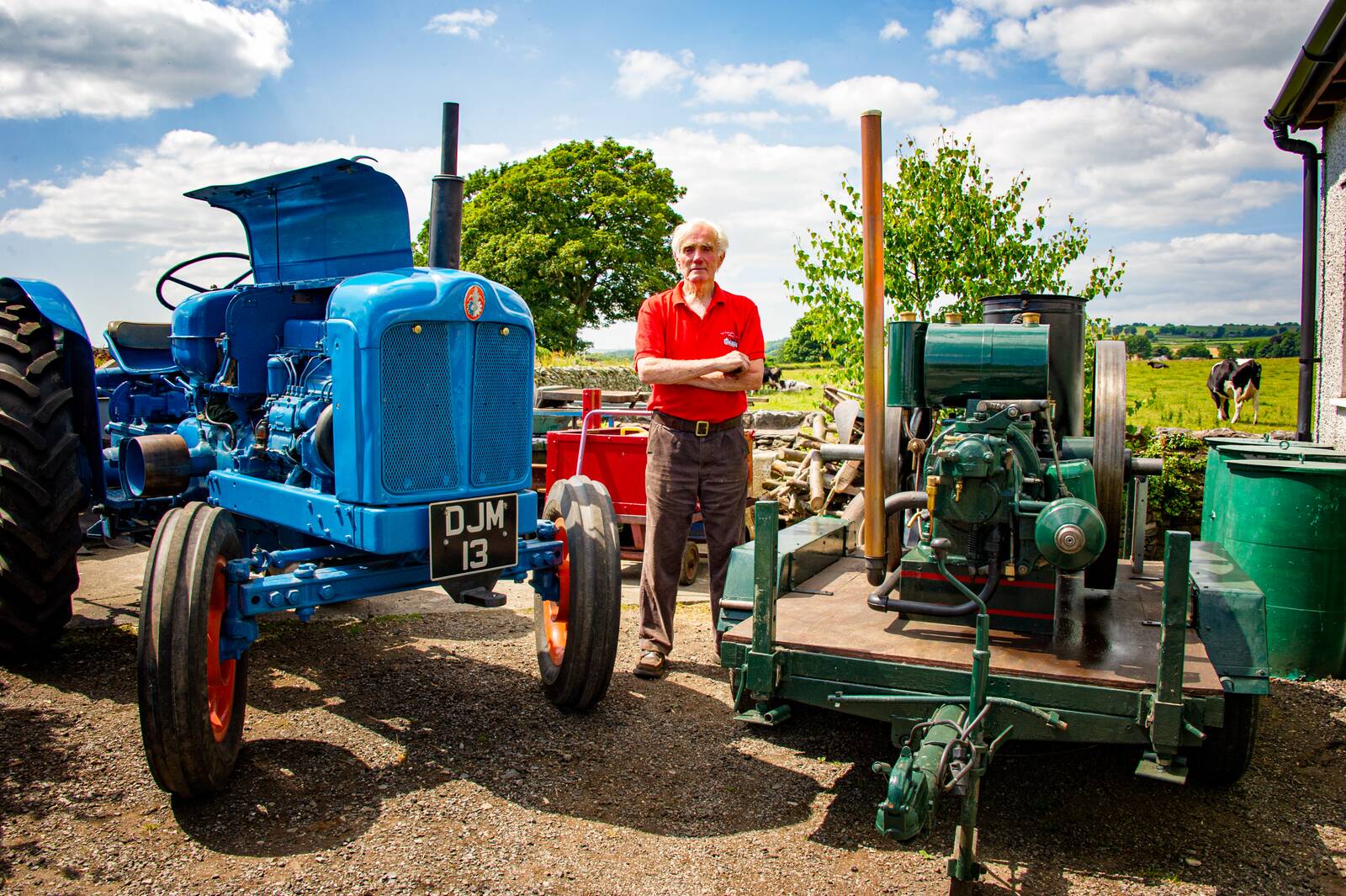
Bill with his blue Fordson tractor
DJM 13The blue Fordson, registration DJM 13, with a green stationary engine for company. Not restored to be looked at — restored to work.
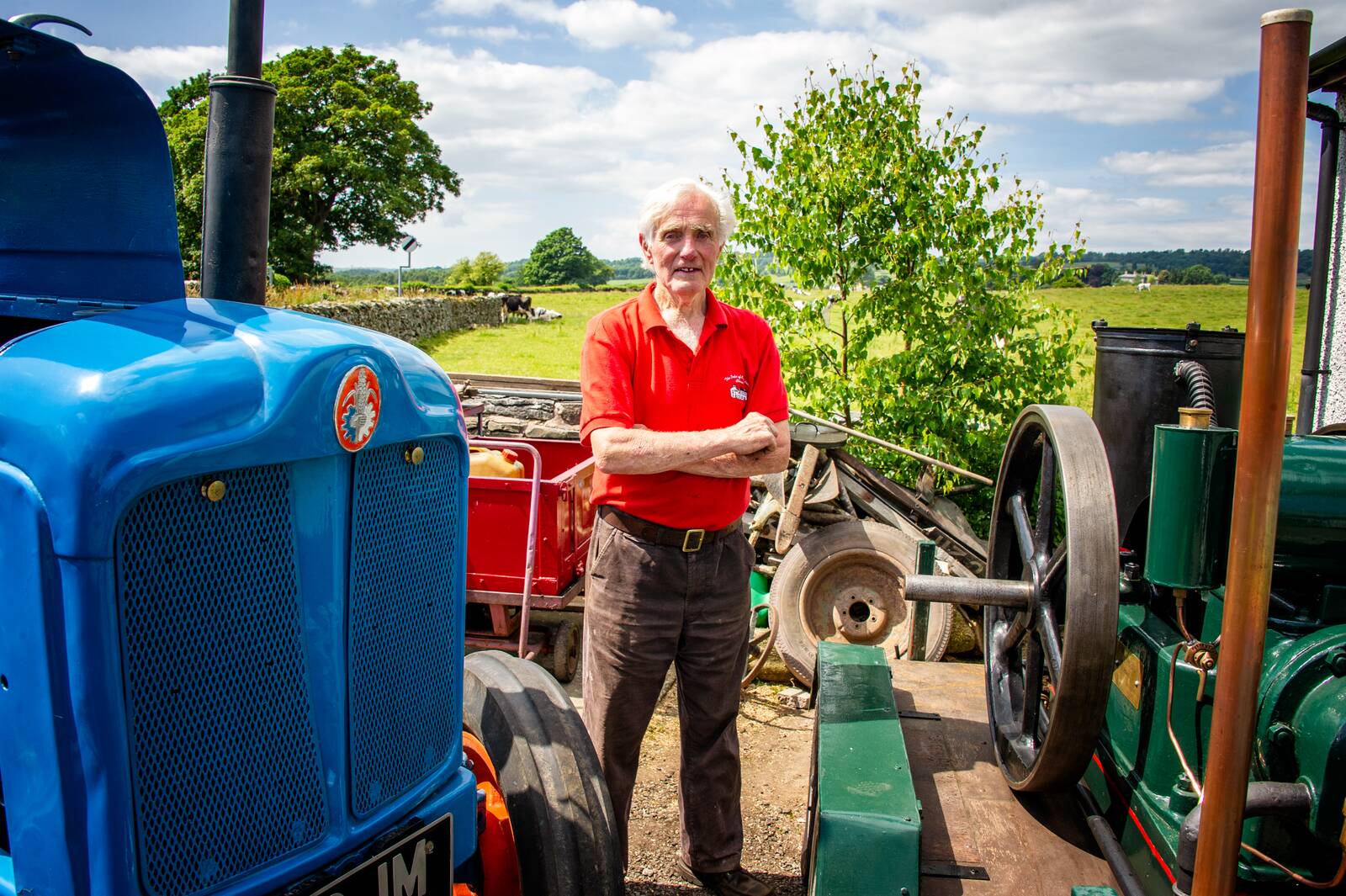
Bill standing with his machinery
The contractorBill with the fleet, the fells he served going soft and green behind him.
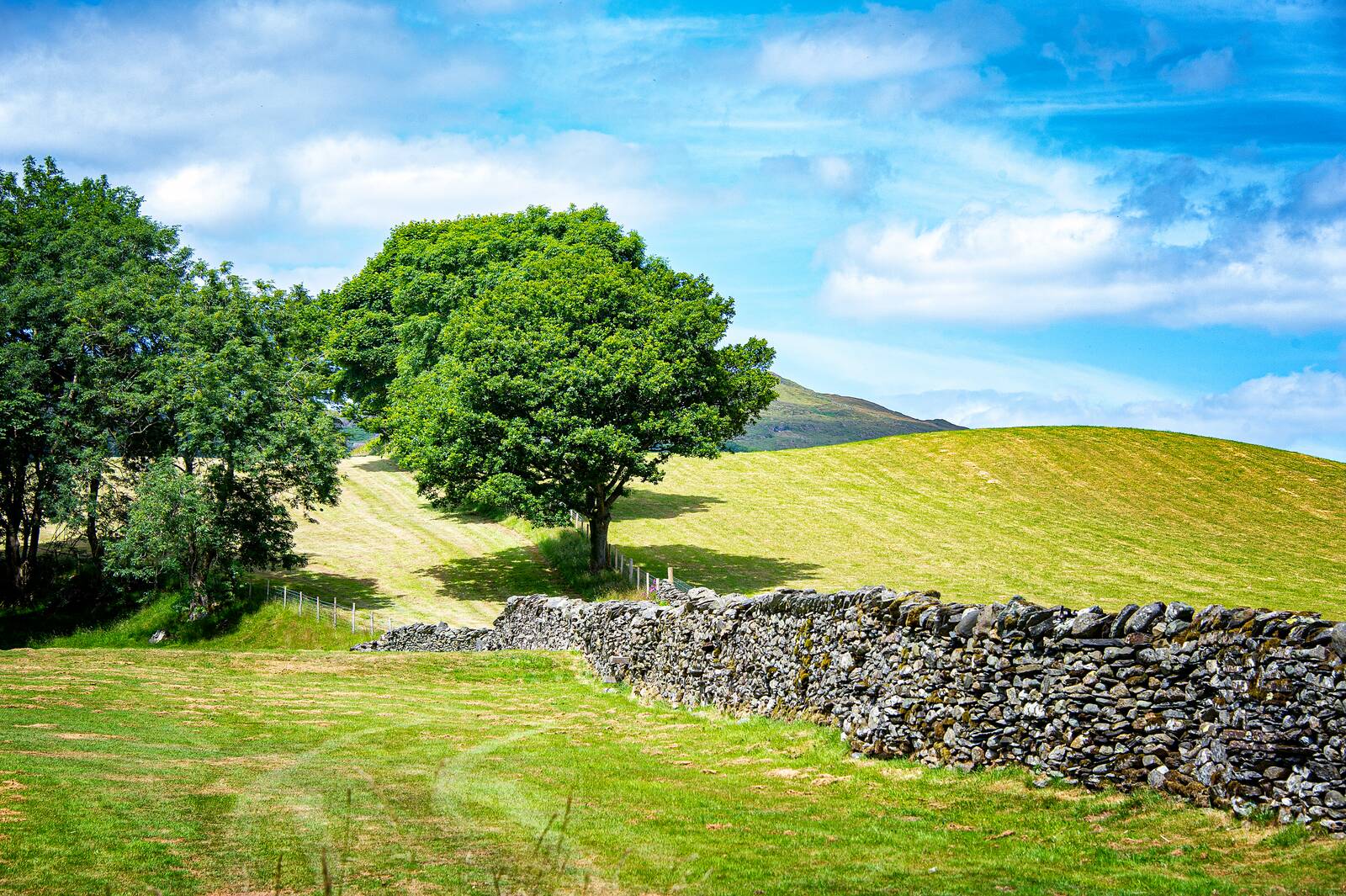
Drystone wall and lone tree below the fell

Every wall in this country was lifted twice —
once from the field, once into its place.

II

Chapel & Yew

Slate churches, patient graves

The old parishes
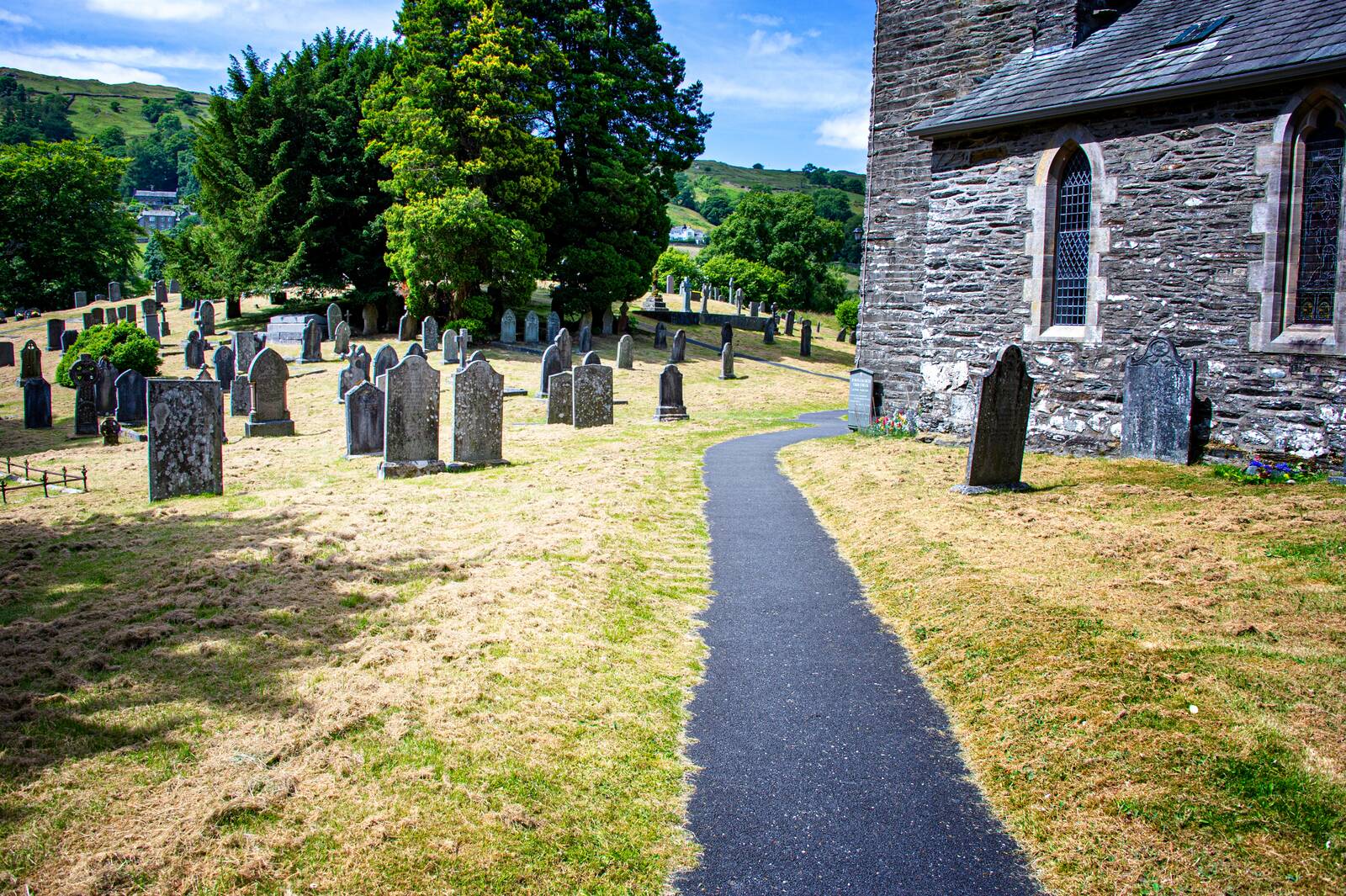
Graveyard path to the slate church
The pathA tarmac ribbon through the headstones — the parish keeps its paths, whatever else goes.
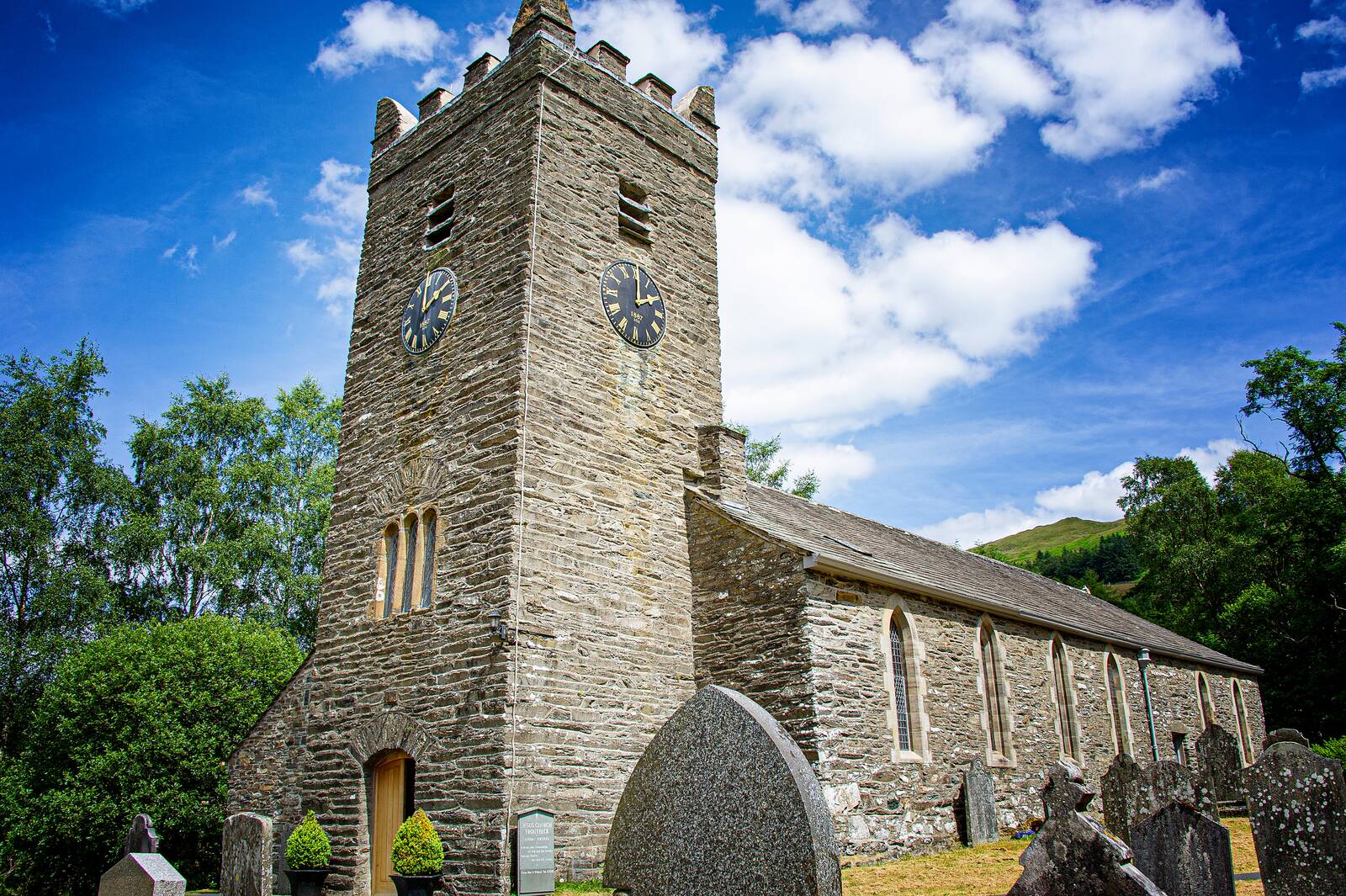
Church tower with clock
The towerLakeland slate, a clock that keeps farm time, and round-headed windows full of sky.
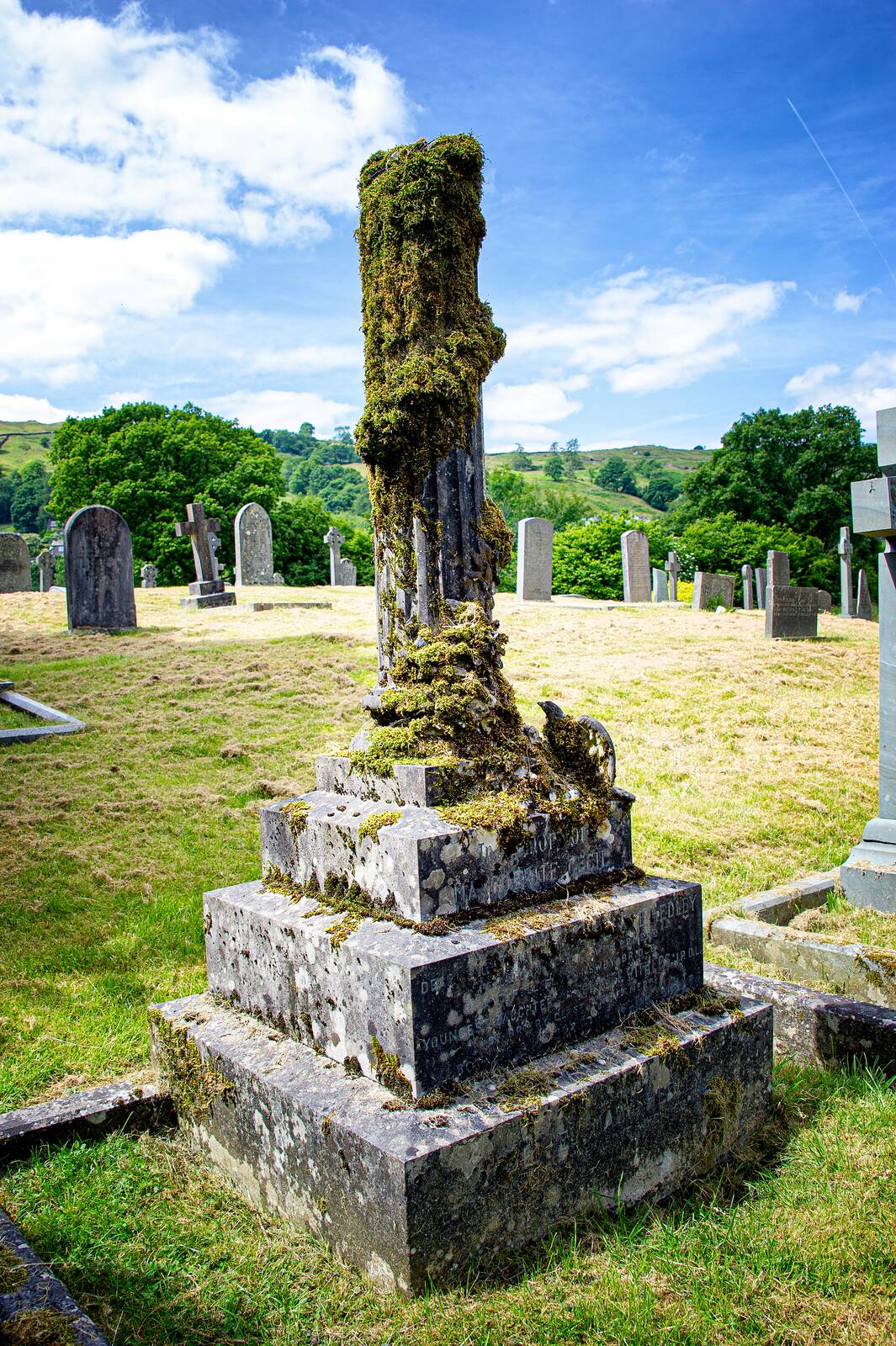
Moss-covered cross in the churchyard

The green crossMoss has claimed the memorial whole — the churchyard's way of saying nothing here is ever finished, only continued.

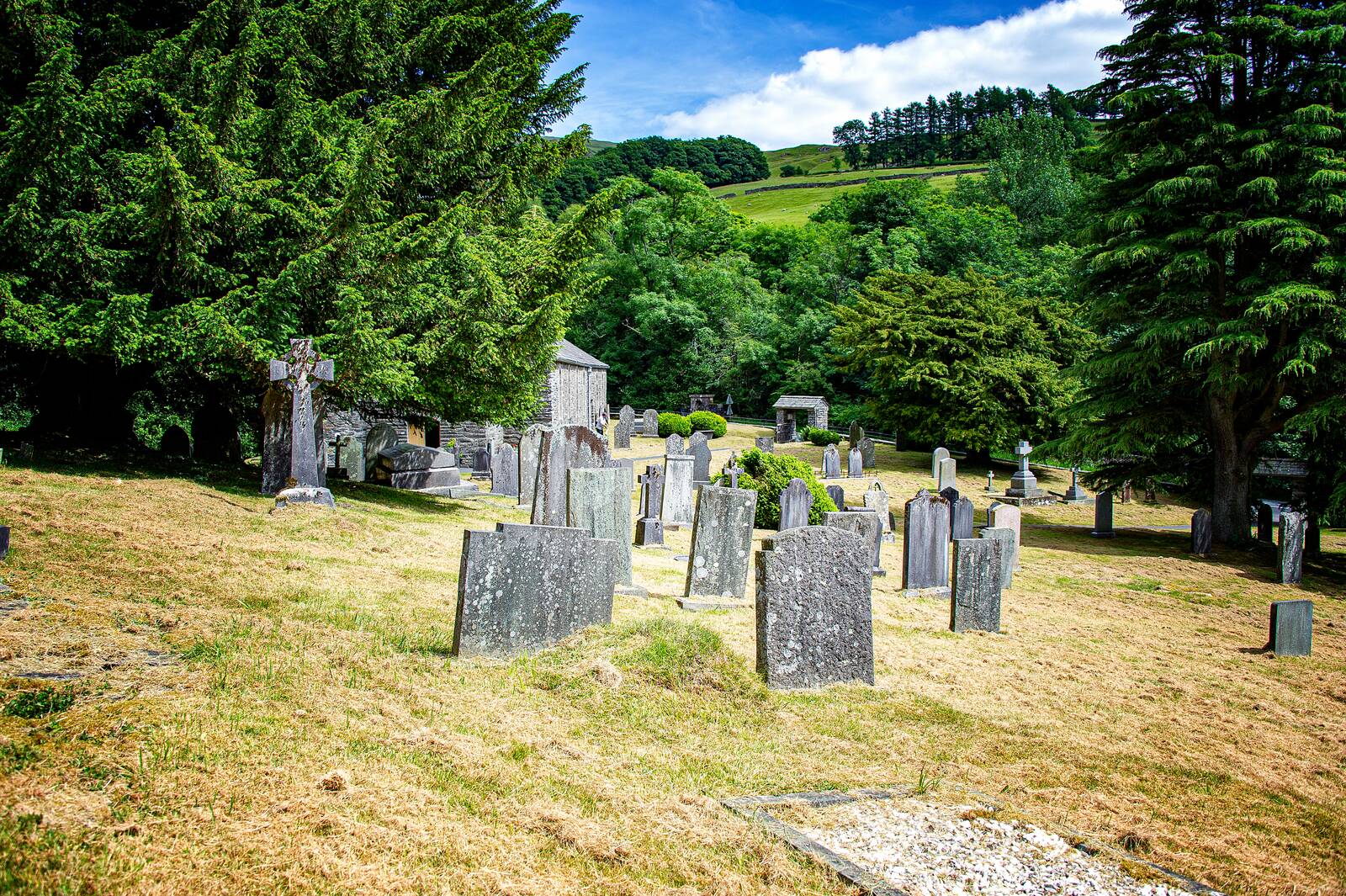
Gravestones under a great cedar

The cedar keeps the older shade,
and the stones lean into it.

III

Ullswater

The lake the poets kept

Steamers, shingle and Aira Force
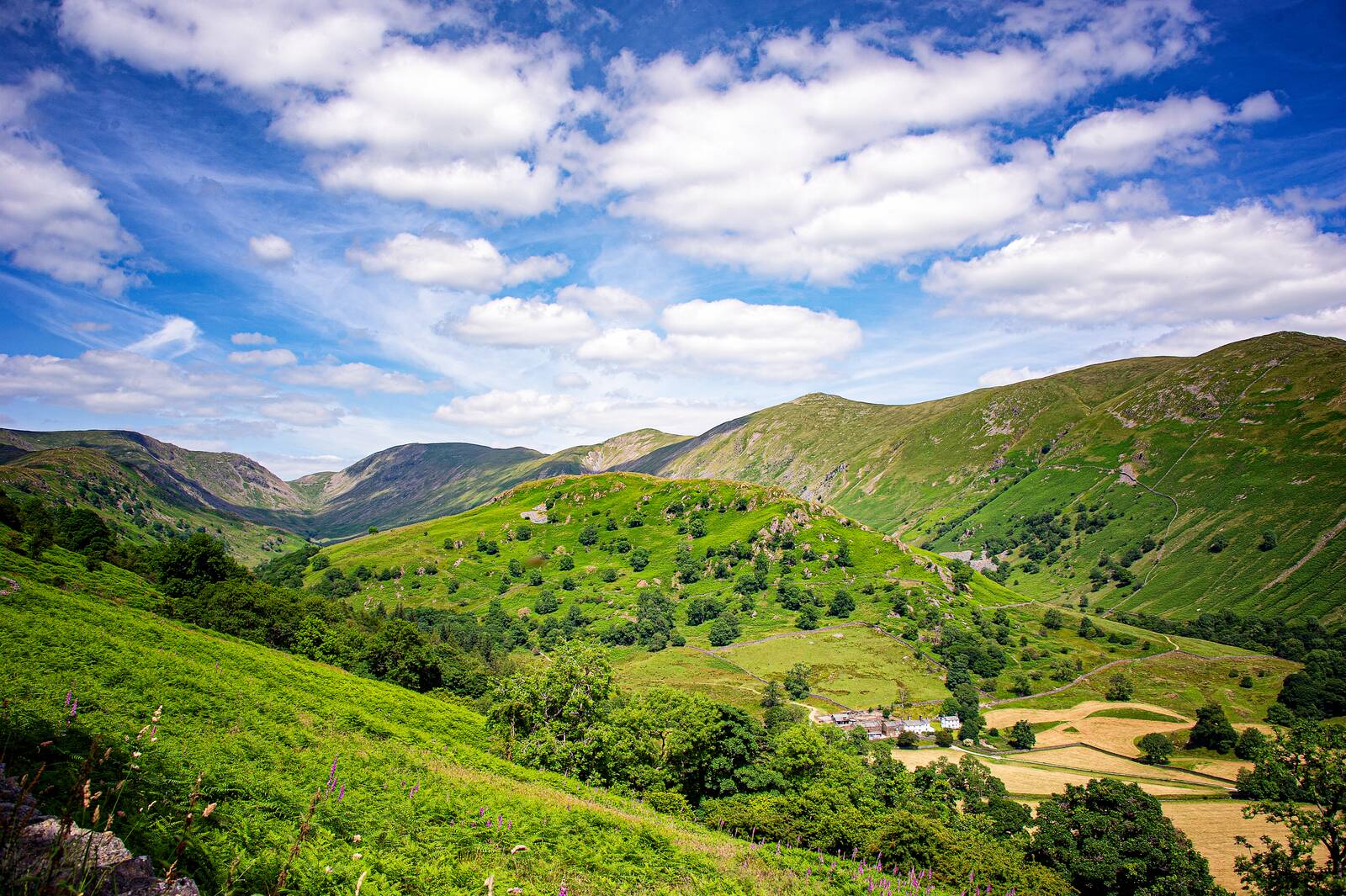
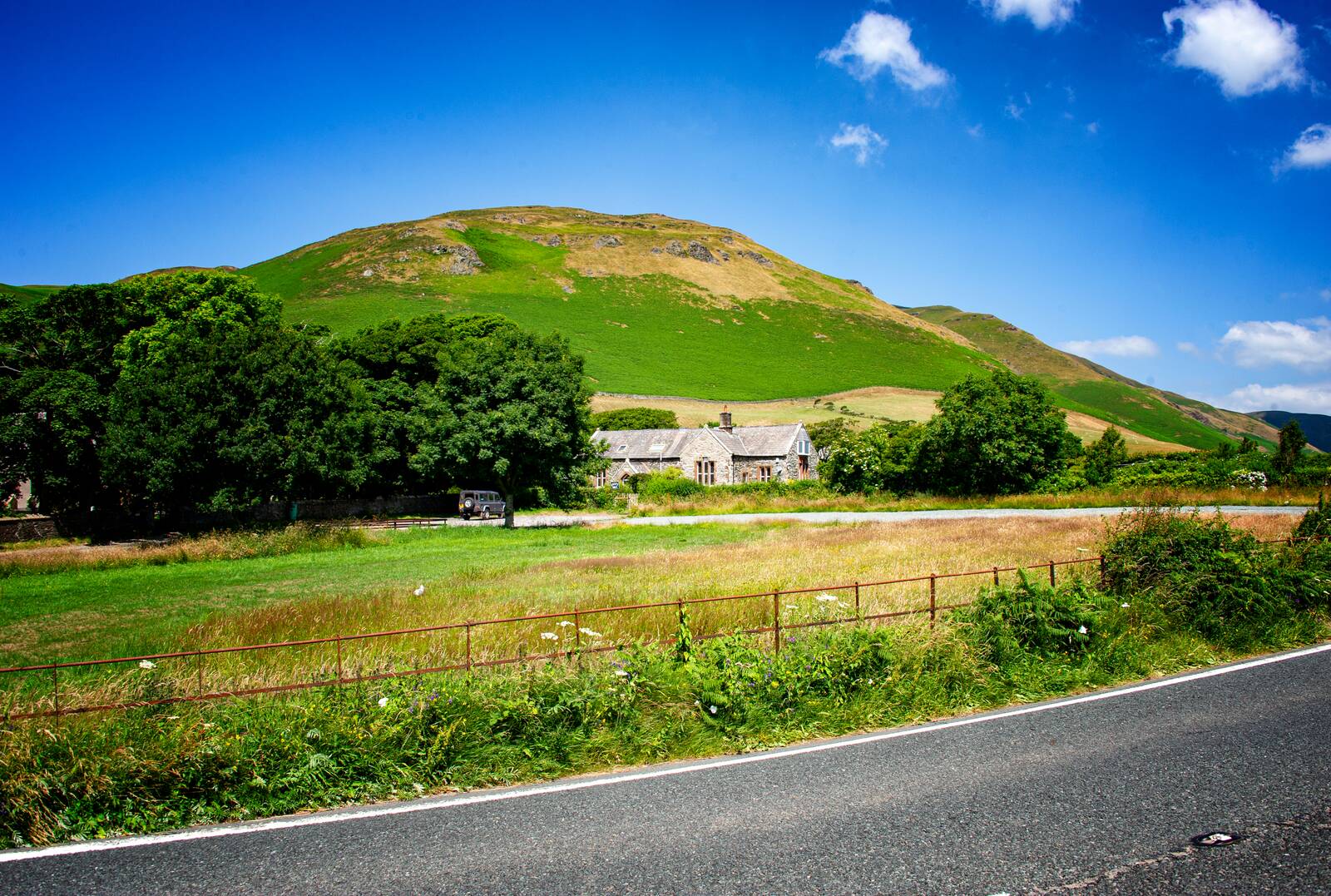
The fells above Ullswater and Martindale

Martindale opens like a hand —
every finger a valley with its own weather.

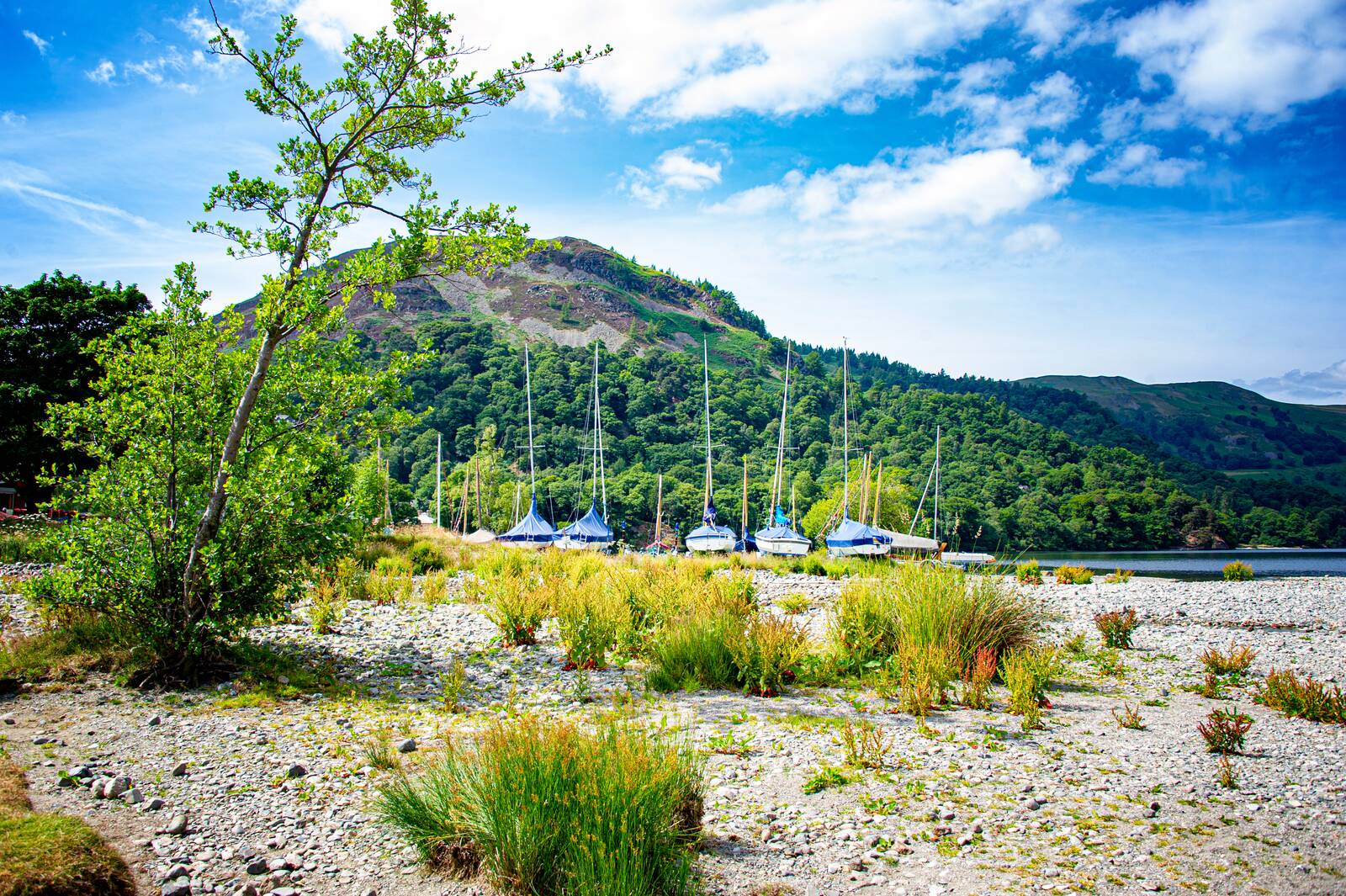
Sailing boats on the shingle shore
Laid upSailboats pulled up on the shingle, masts like a winter copse in July.
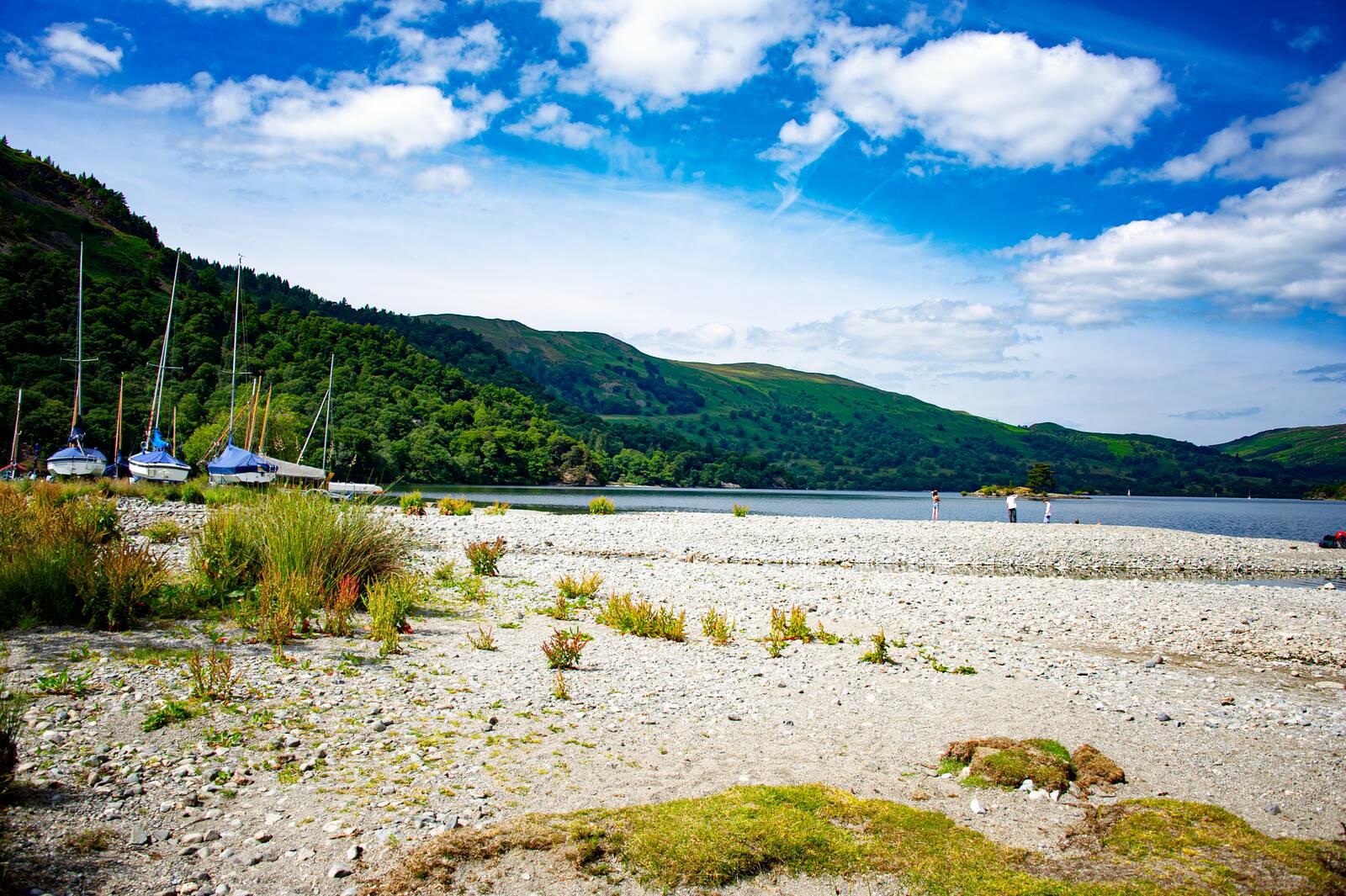
Shingle beach at Ullswater
The strandThe water so low the lake shows its pebbles — a beach with a mountain problem.
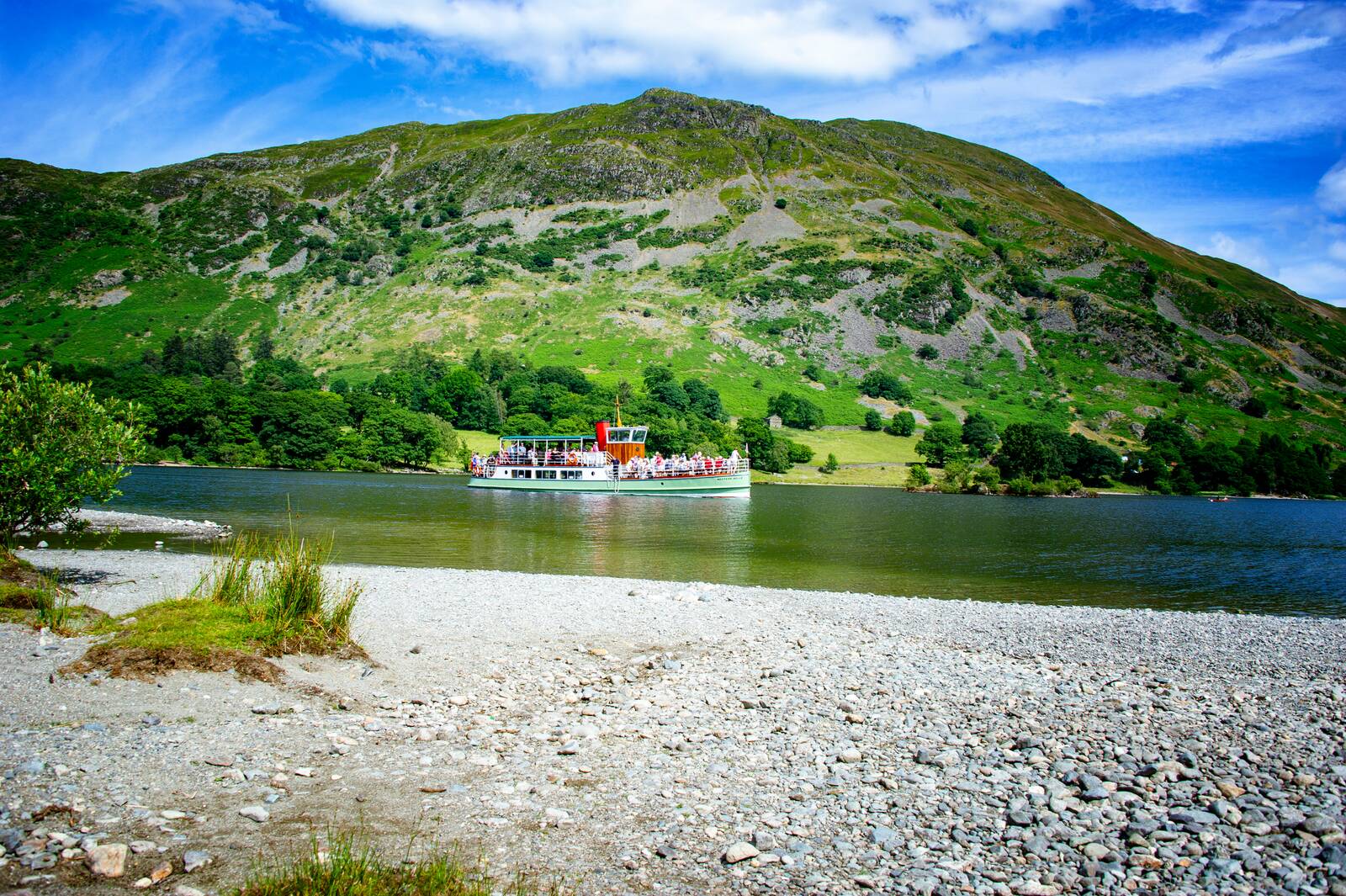
Ullswater steamer crossing beneath the fell

The steamerA Victorian steamer doing its rounds since the 1870s — green hull, red trim, unhurried as the century it came from.

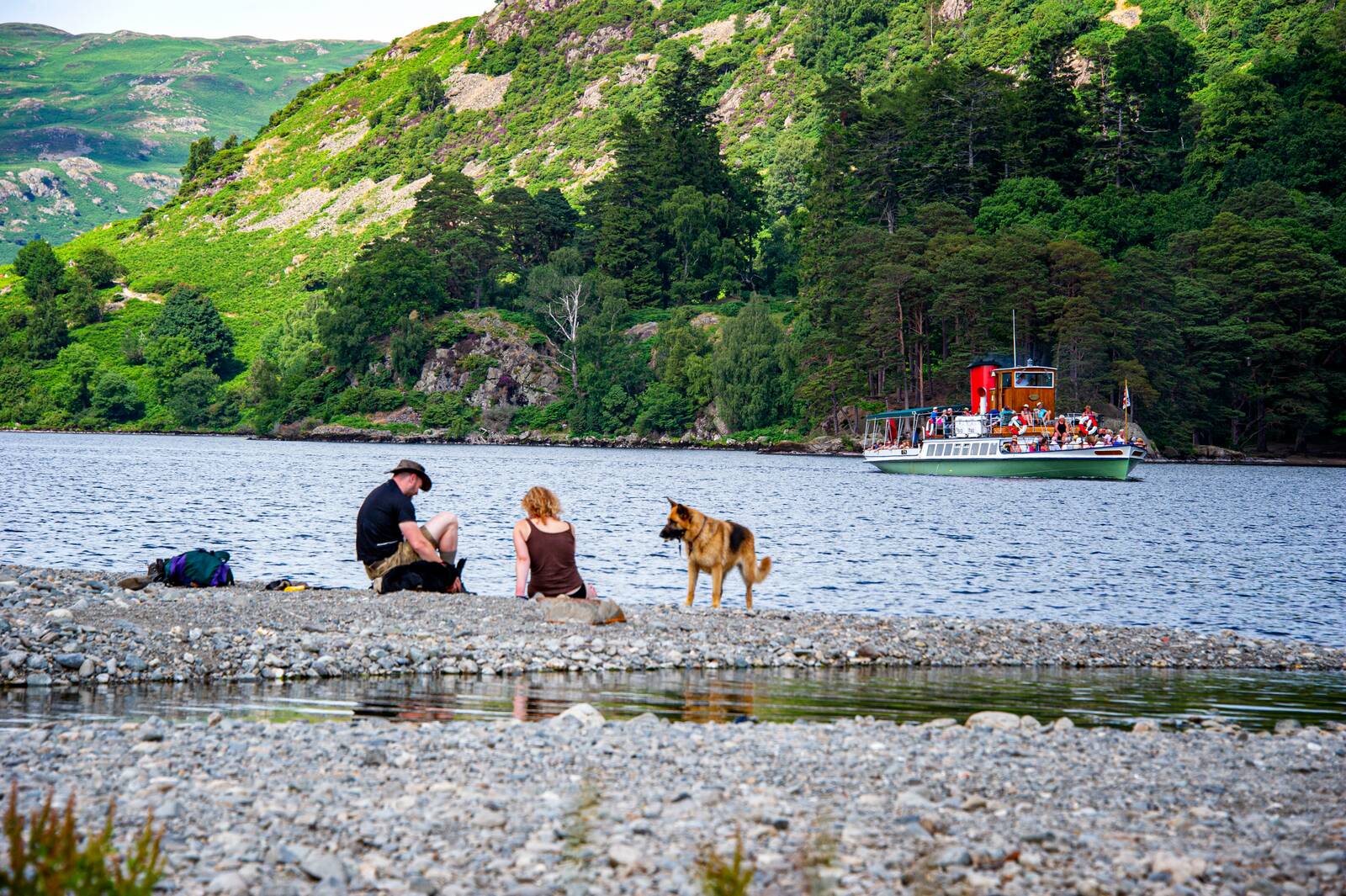
Family and dog watching the steamer from the shore

The audienceTwo people and a dog, watching the boat come in. This is what a big afternoon looks like here, and it is enough.

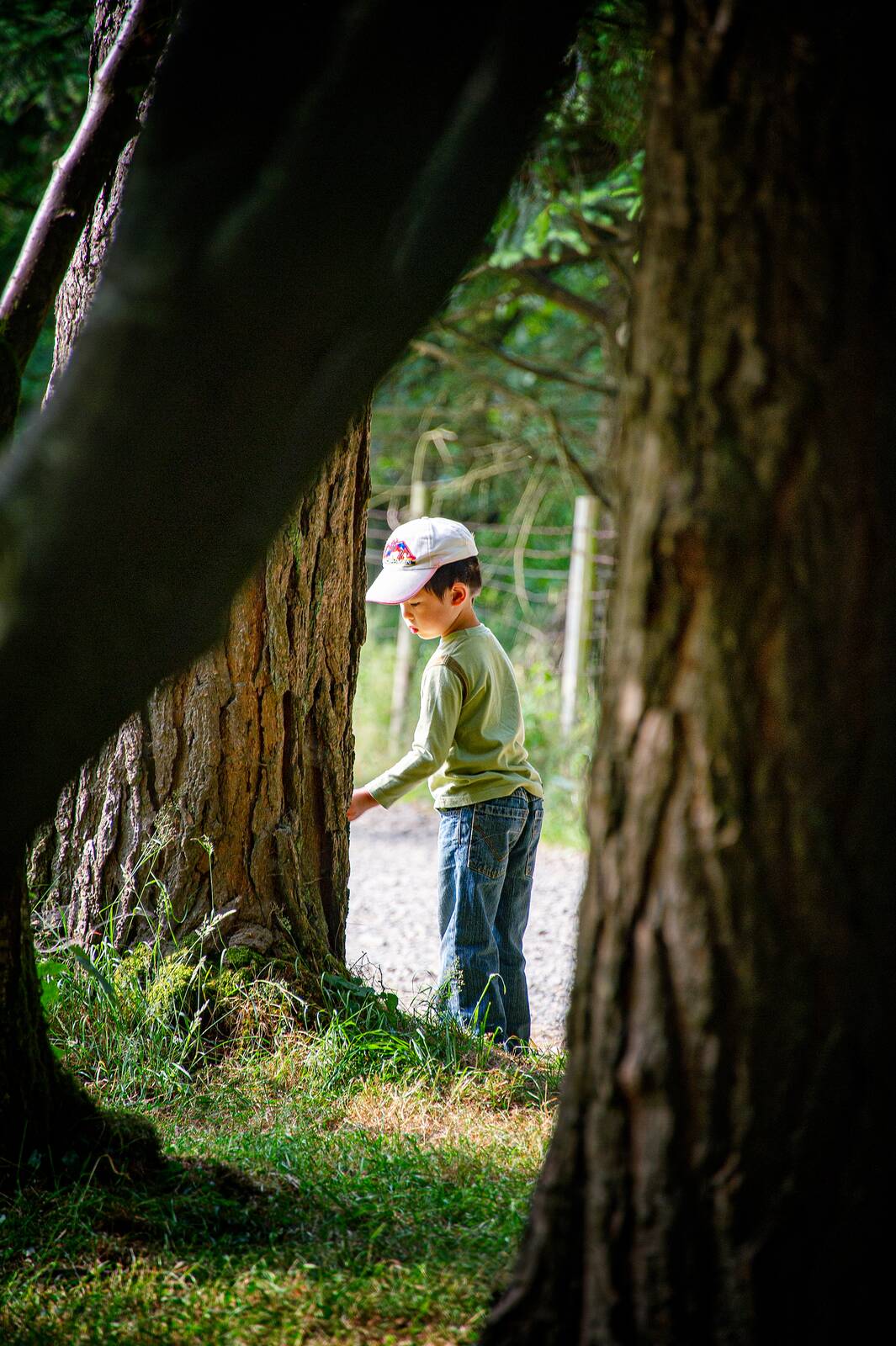
A boy among the oaks on the Aira Force path

Into the oaksA young explorer between the old trunks on the path to Aira Force — the wood does something to visitors under twelve; it always has.

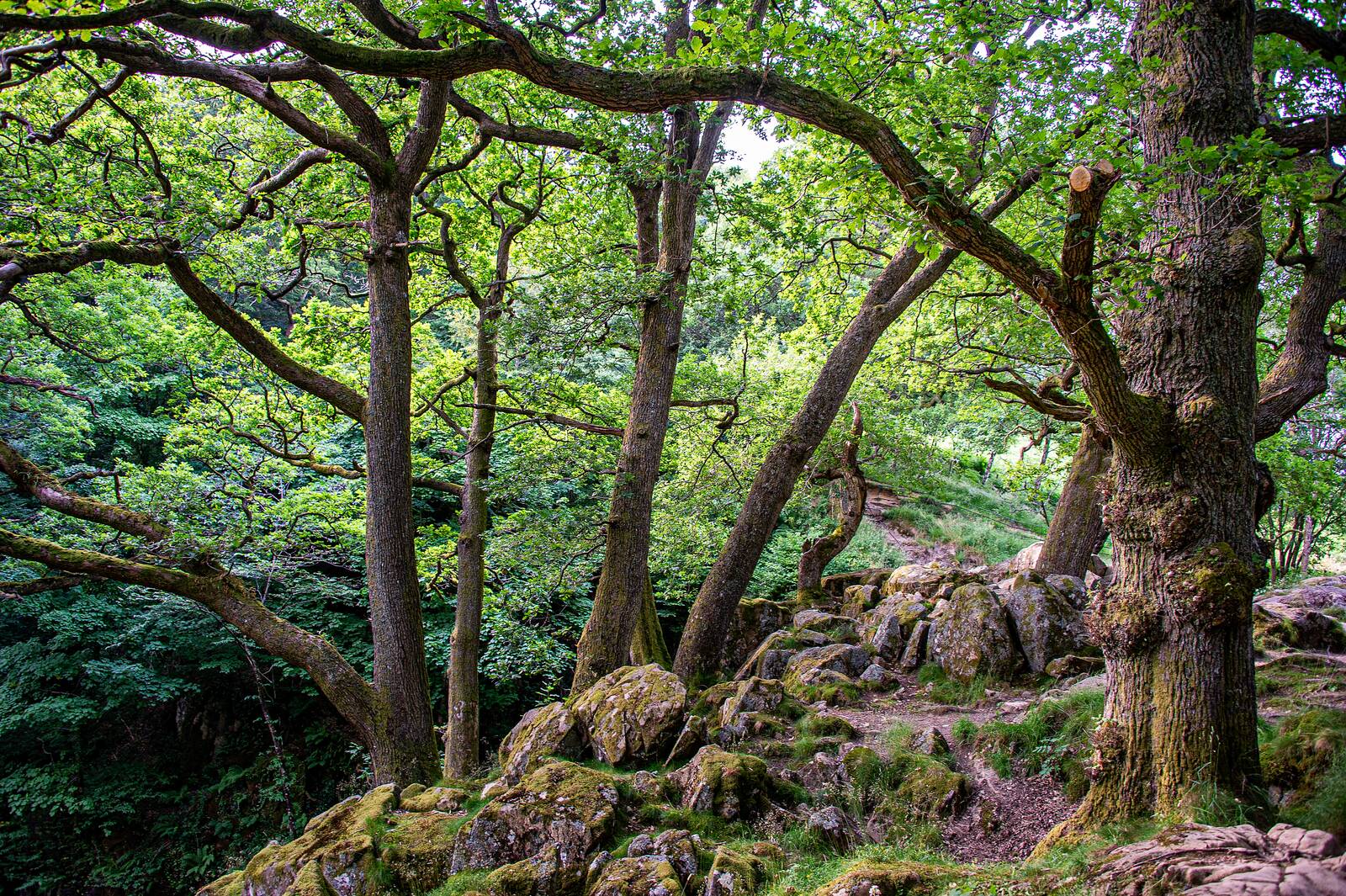
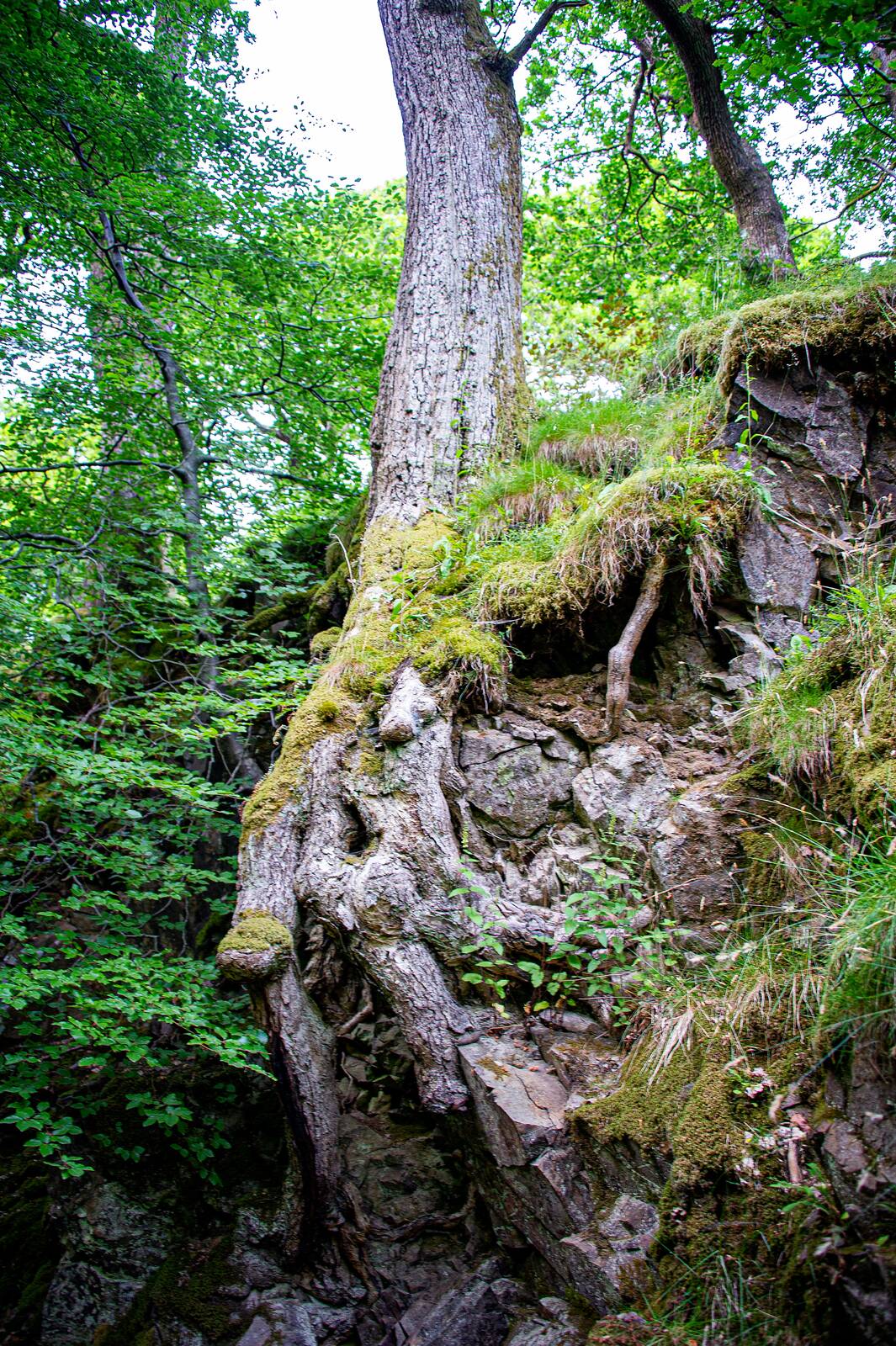
Ancient oaks above the gorge
The old woodSessile oaks holding the gorge, root and rock long past negotiating.
Mossy crag on the gorge edge
The edgeThe path clings where the beck has been cutting for ten thousand years.
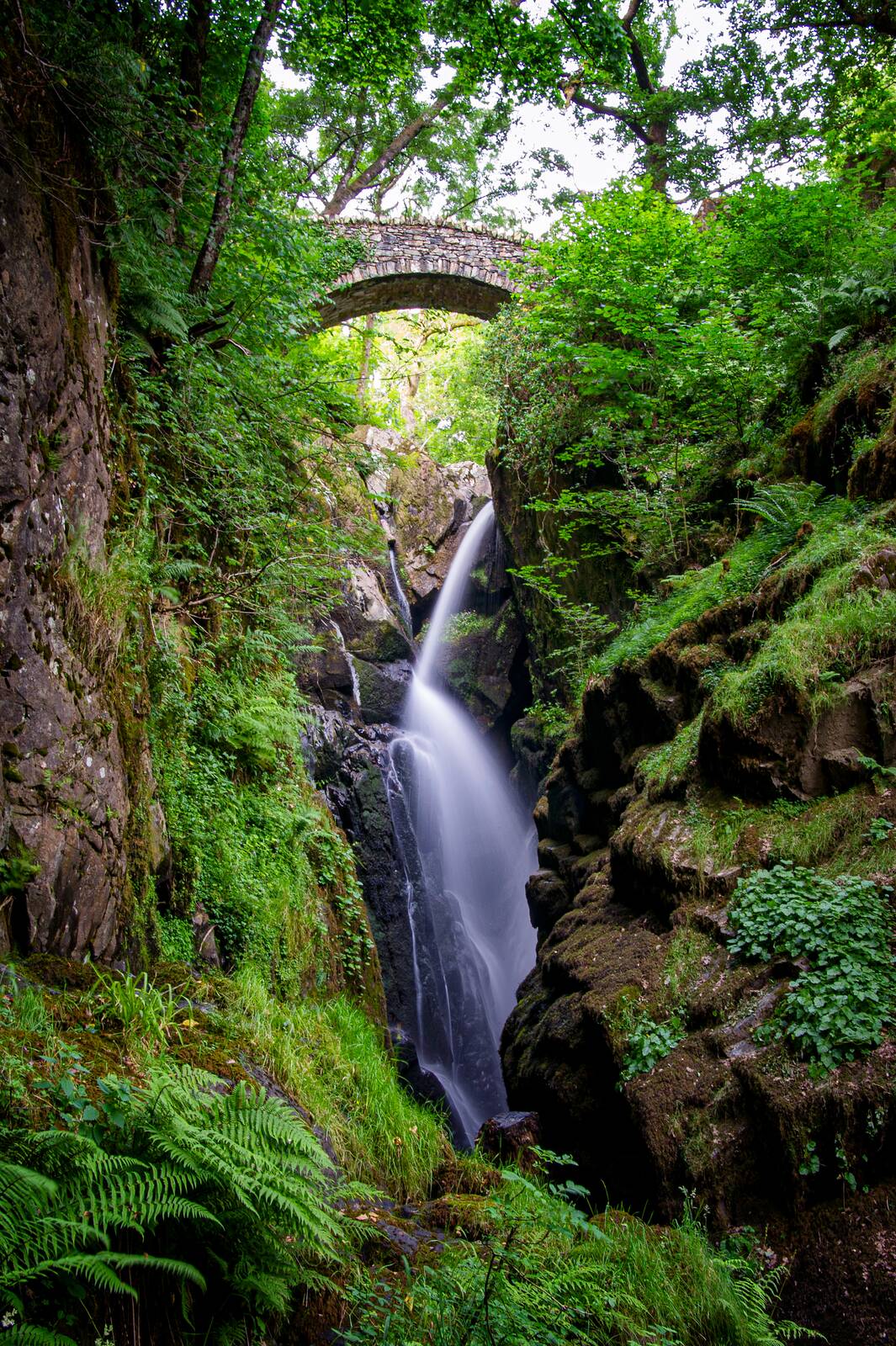
Aira Force waterfall under its stone bridge

Aira ForceTwenty metres of white water under a stone bridge built for exactly this view. Wordsworth walked here the day he saw his daffodils, just along the shore.

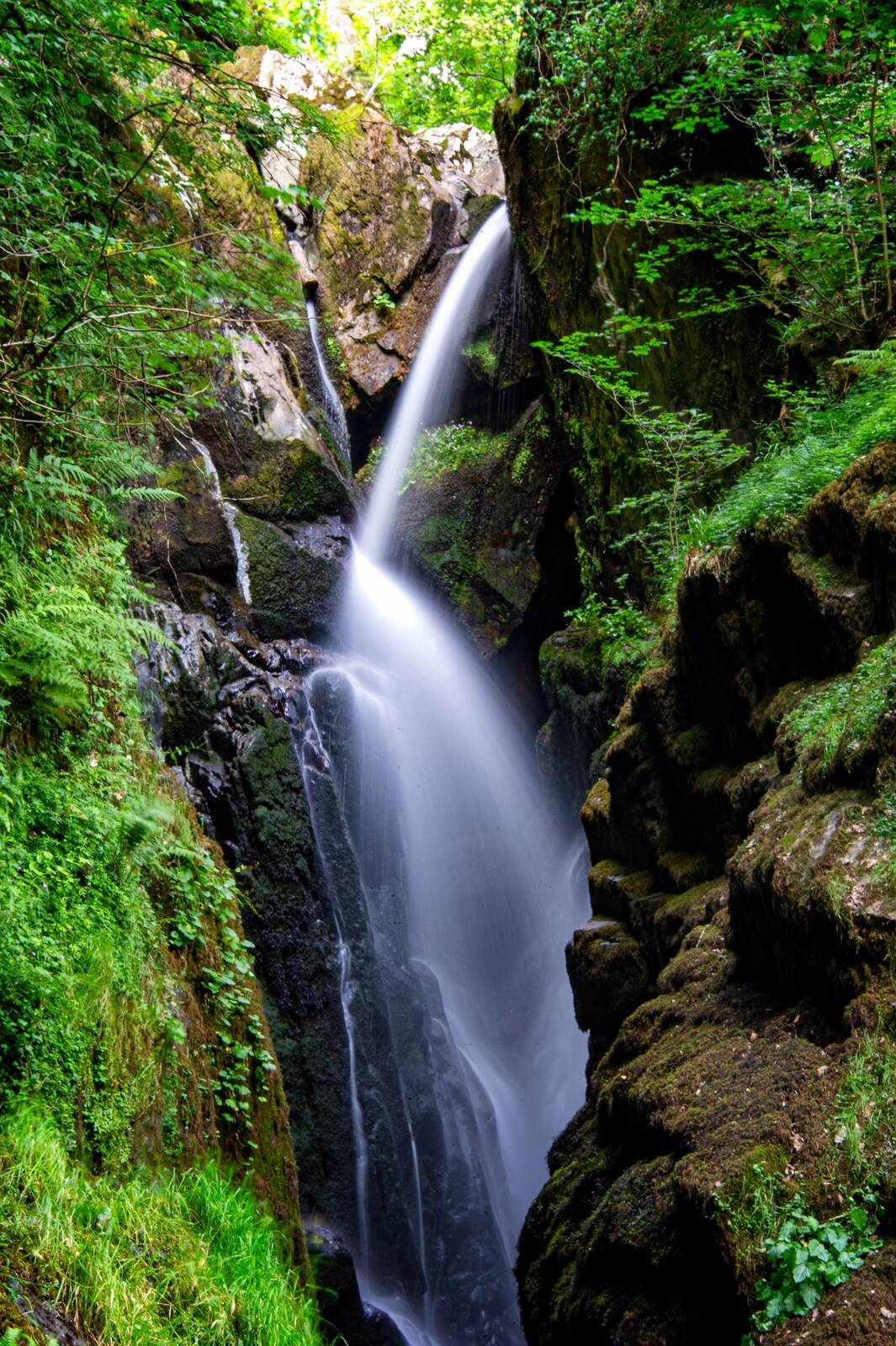
Aira Force in long exposure

The fallLong exposure, long drop — the beck turning itself to silk on the way down.

IV

Long Meg

And her daughters

Little Salkeld · c. 4,500 years standing
Long Meg — 3.6 m red sandstone, spiral-carvedher daughters — 59 remain of 70-oddLONG MEG & HER DAUGHTERSone of the largest stone circles in England — 109 by 93 metres, raised before the pyramidslegend: a coven turned to stone — and Meg bleeds if you chip her

Plan of the circle, paced in the long grass.

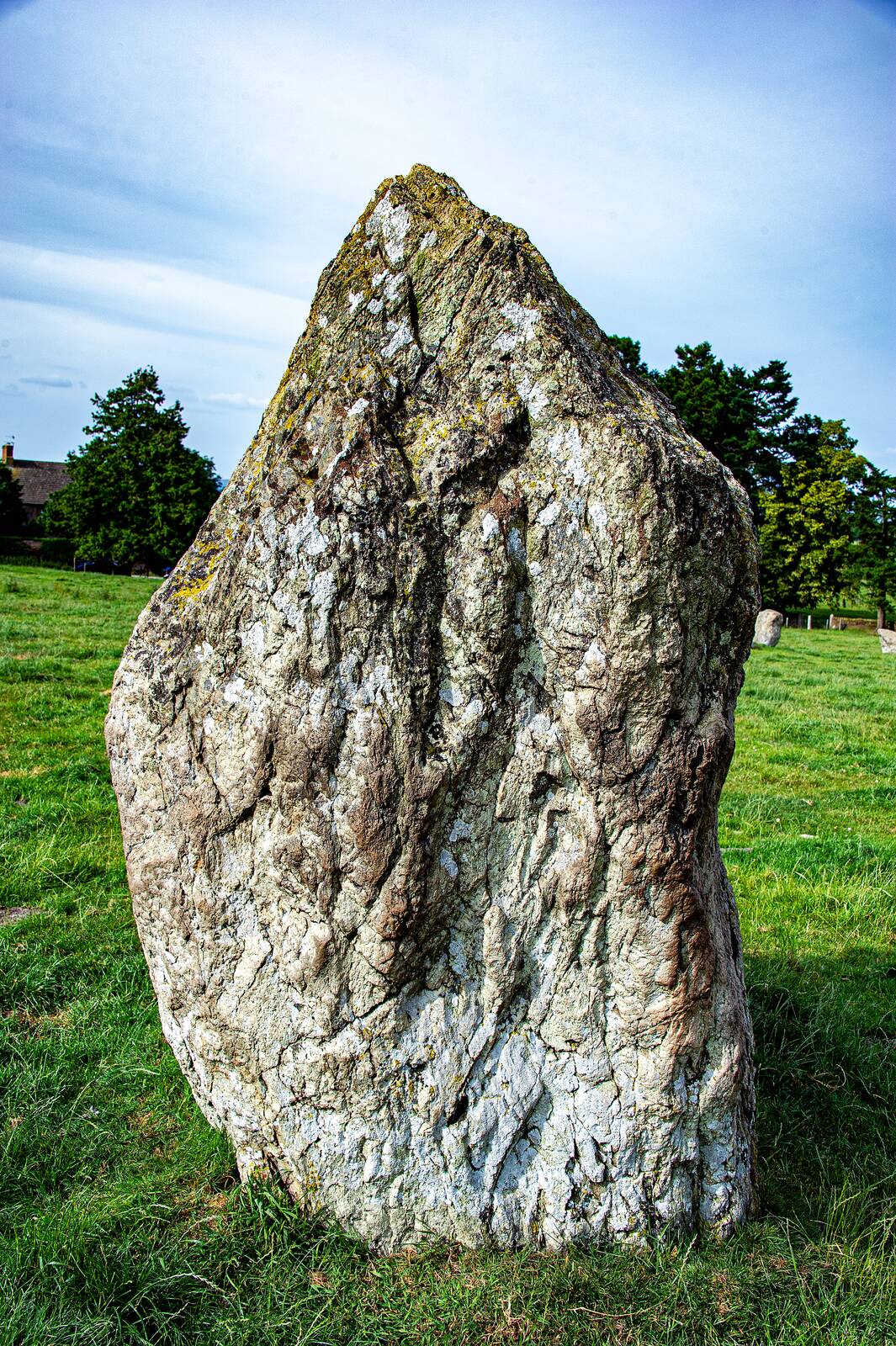
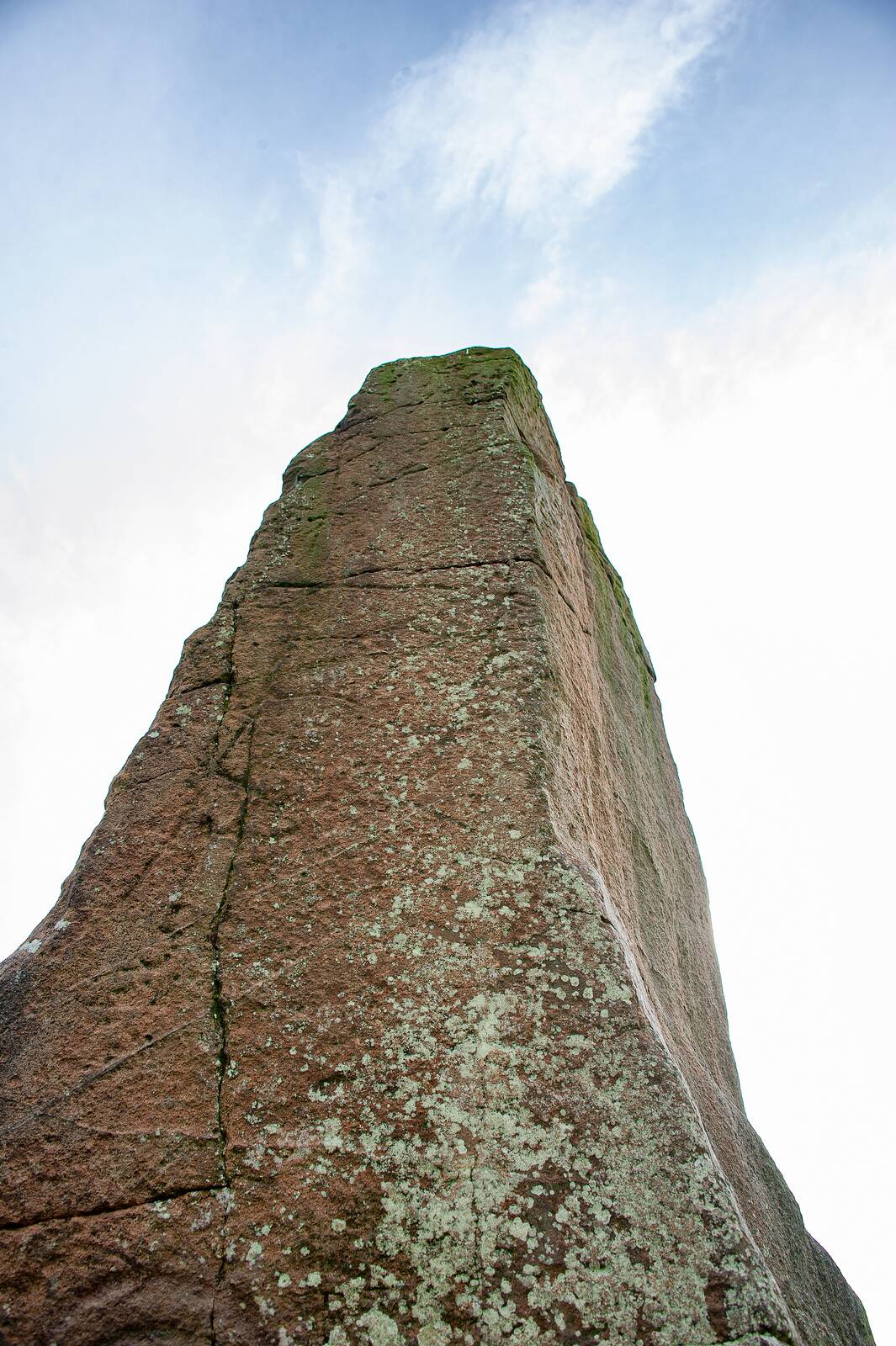
Long Meg, the red sandstone monolith

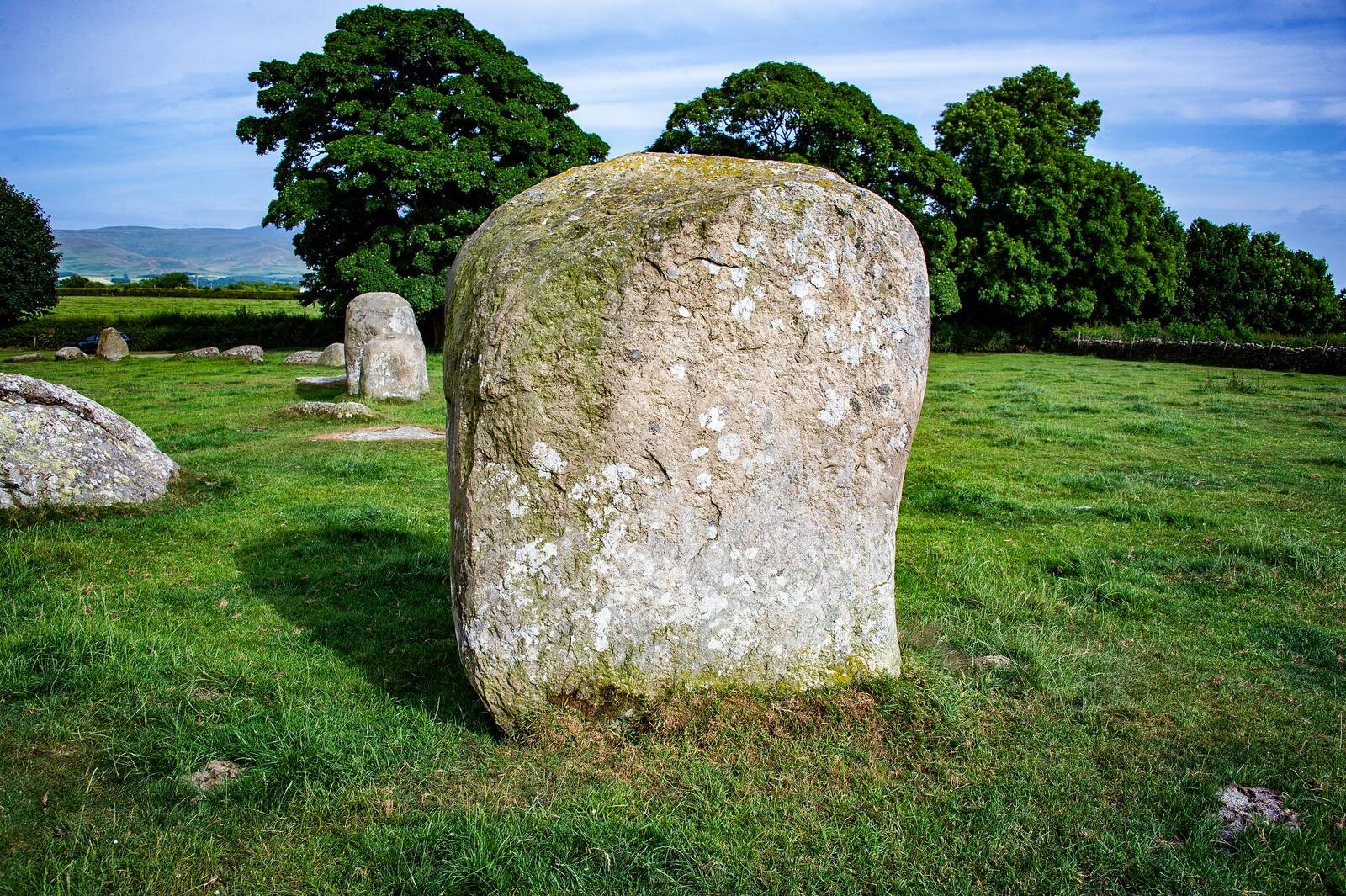
Meg herselfTwelve feet of red sandstone, quarried miles from here and stood at the circle's edge — the daughters are grey granite; Meg alone came from somewhere else.

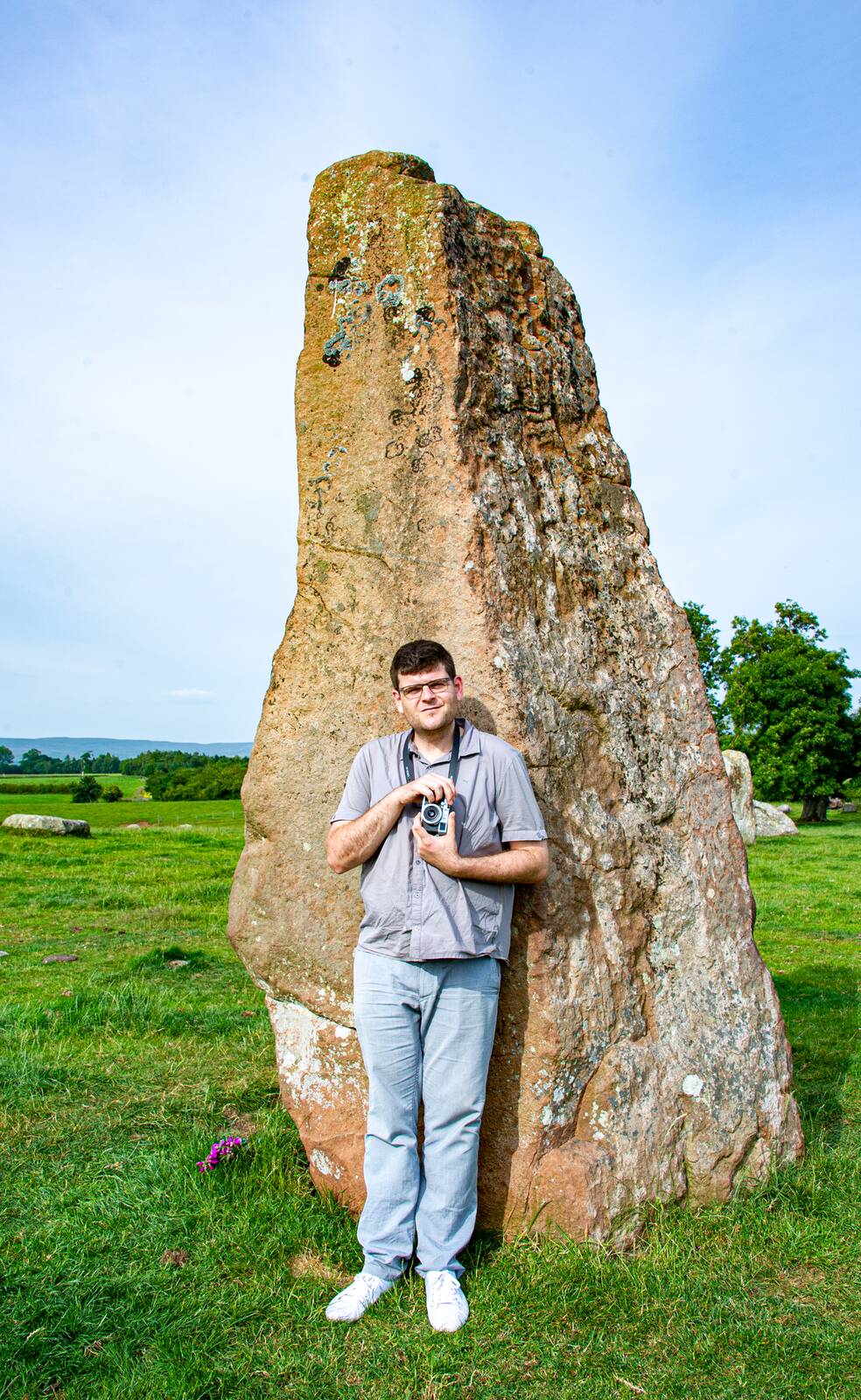
A young visitor standing at Long Meg

For scaleA visitor at Meg's shoulder. She has been measuring people this way for four and a half thousand years.

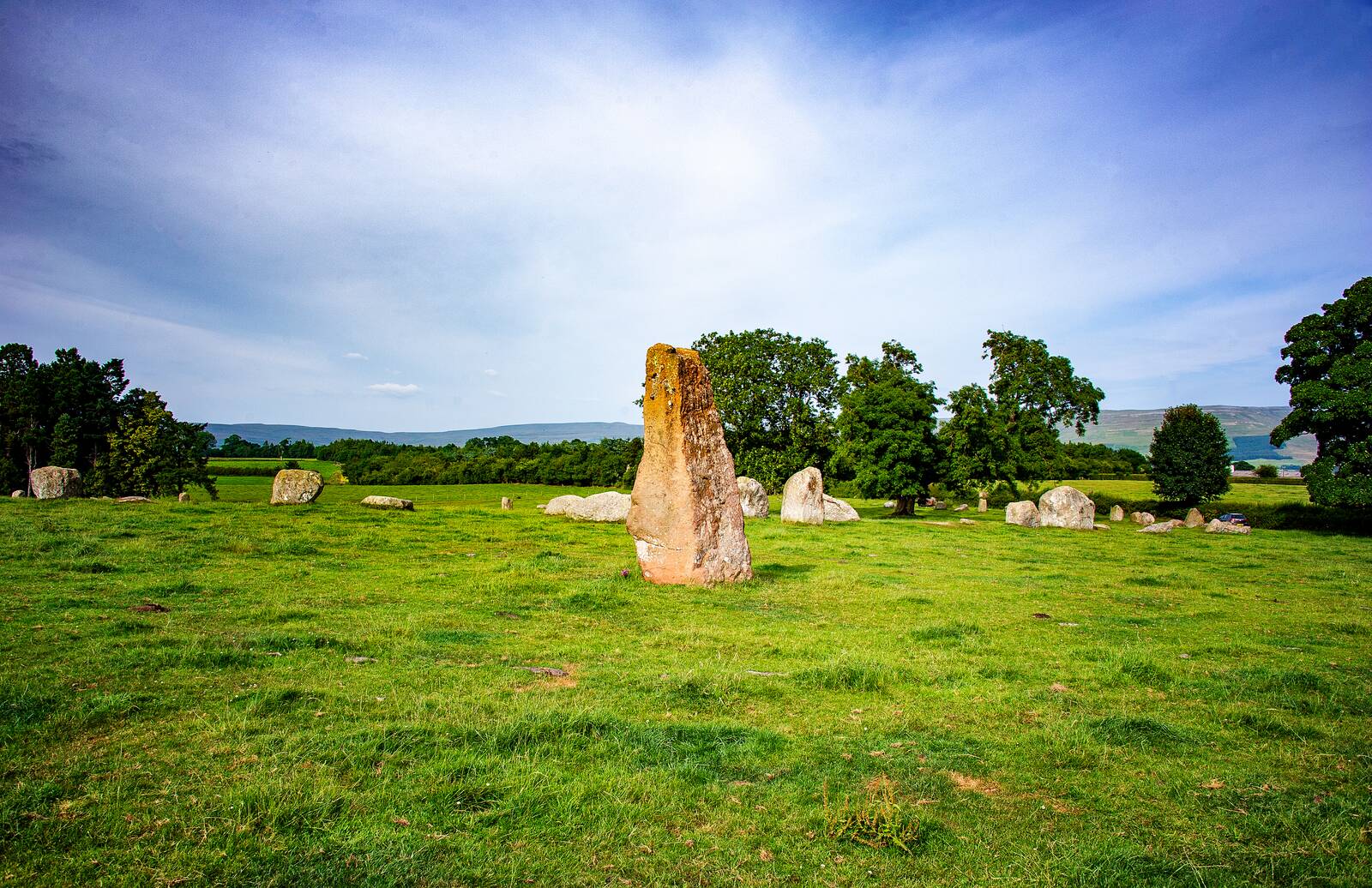
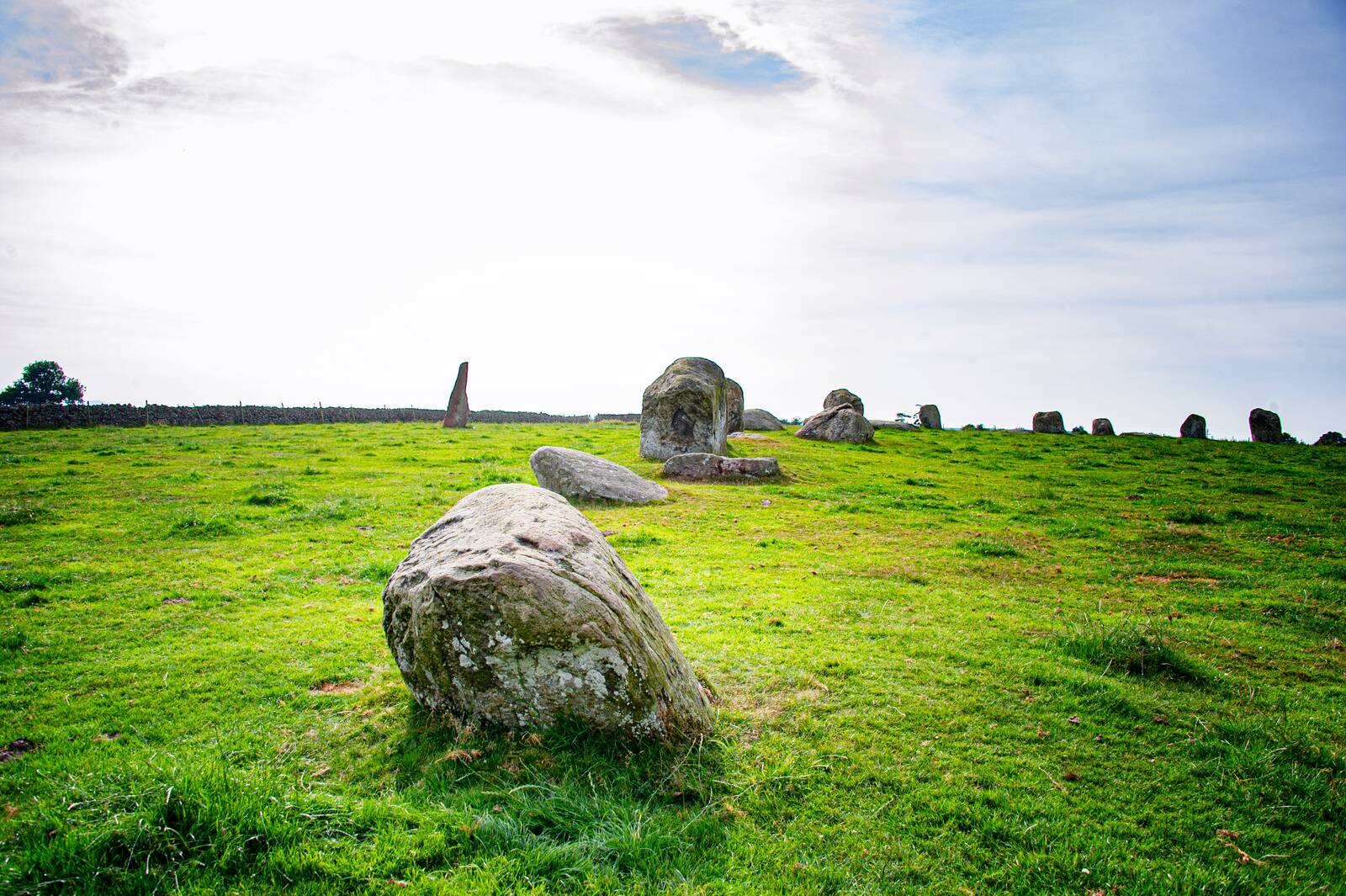
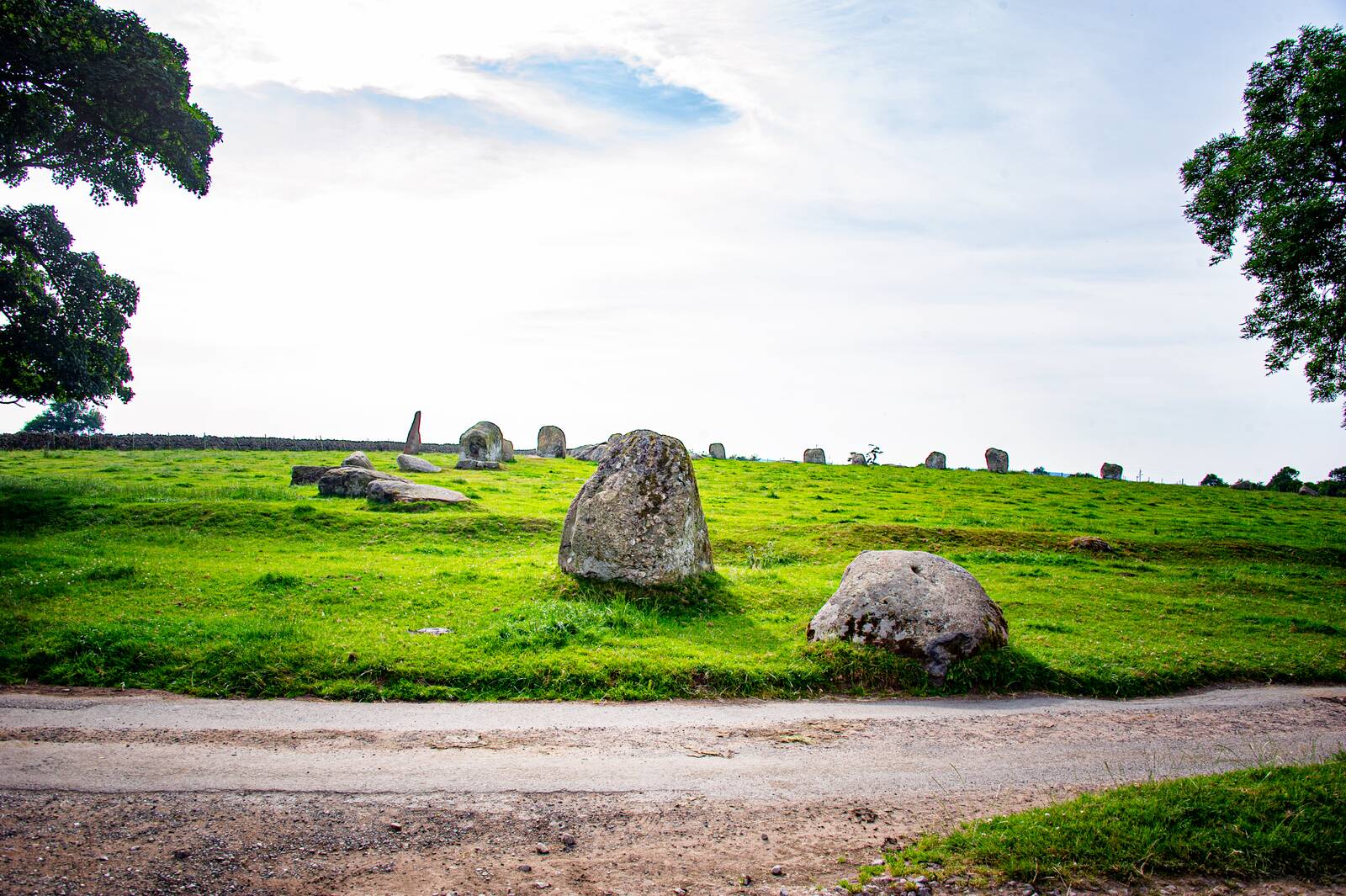
The wide circle of Long Meg and Her Daughters

Count the daughters twice
and you'll get two different numbers —
so the legend says.

Around the ring

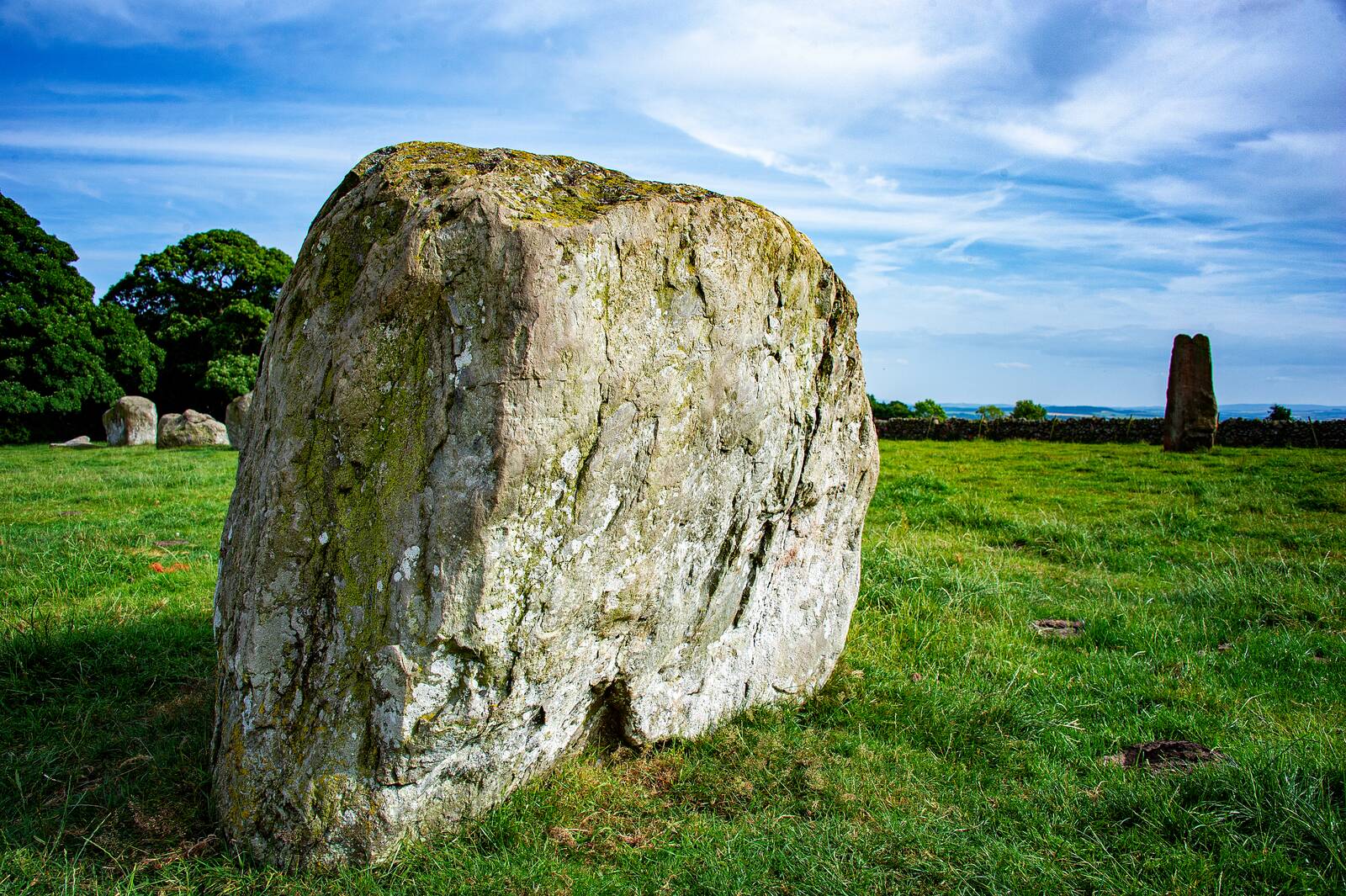
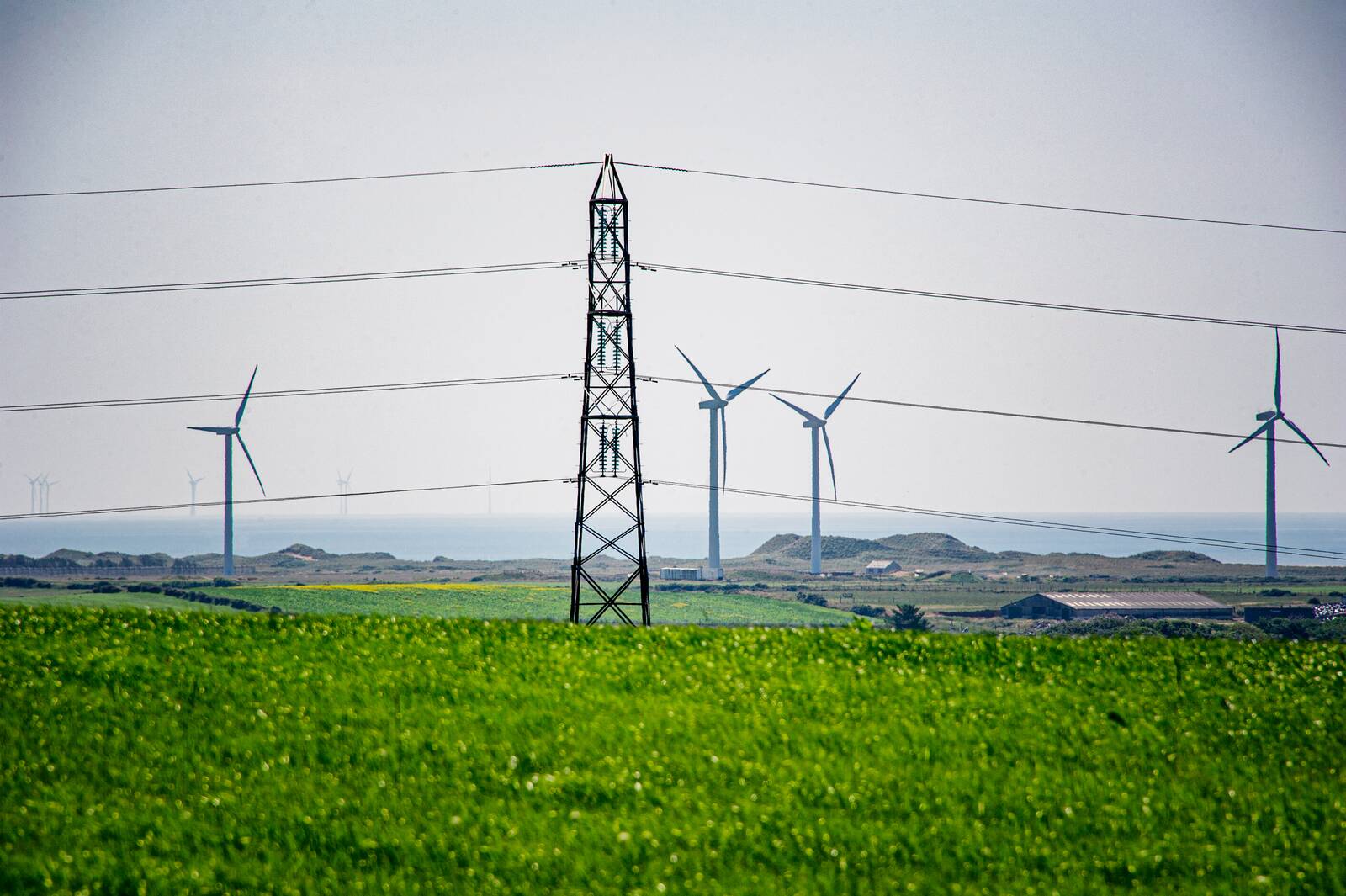
The daughters at their stations — and beyond the hedge, the newest standing figures in the valley, turning in the wind. Different gods, same instinct.

daughter and motherdaughter and mother
meg, looking upmeg, looking up
the heavy sleeperthe heavy sleeper
the ringthe ring
the road throughthe road through
the new circlesthe new circles
V

La'al Ratty

The little railway

Ravenglass & Eskdale · 15-inch gauge
4 ft 8½ in — the main line 15 in — la'al ratty LA'AL RATTY 'the little railway' — seven miles from Ravenglass up Eskdale, since 1875 first built to carry iron ore; saved, like most good things here, by enthusiasts

Gauge comparison, chalked on the platform.

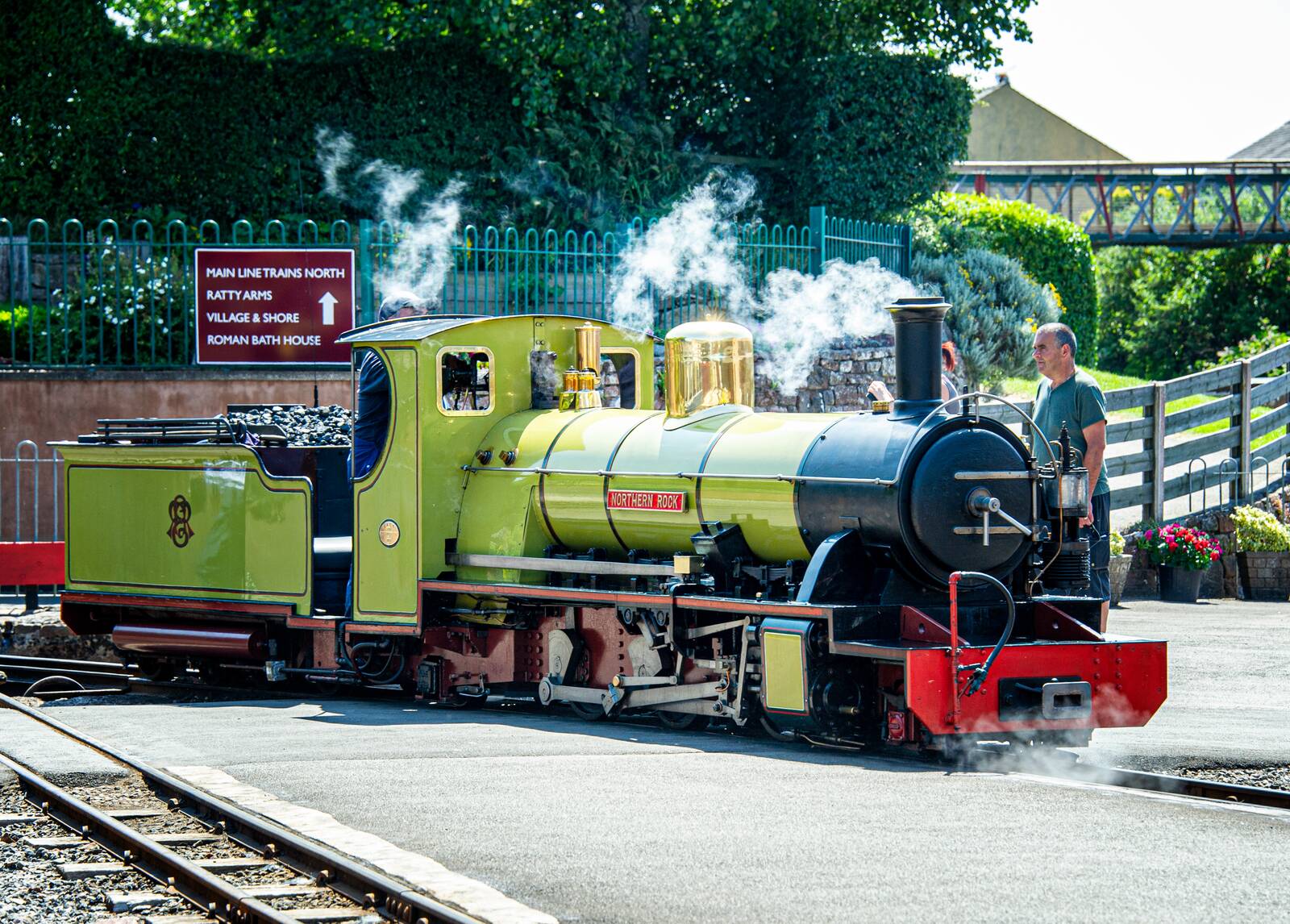
Green steam locomotive at Ravenglass

Steam upA miniature locomotive with a full-size boiler's worth of pride, simmering at Ravenglass.

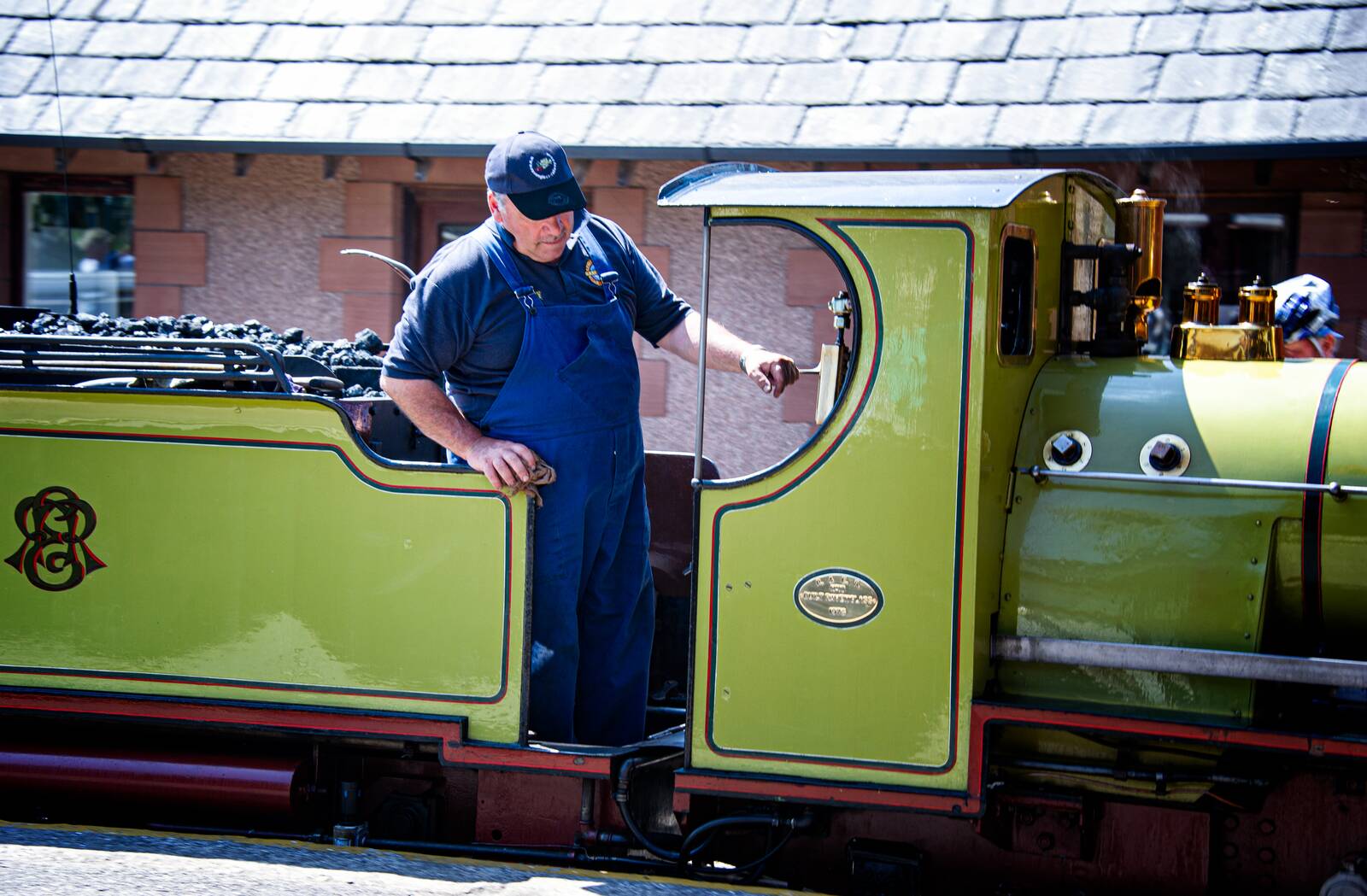
The driver oiling the little locomotive

The driverOil can in hand, running a railway you could almost pick up — but wouldn't dare.

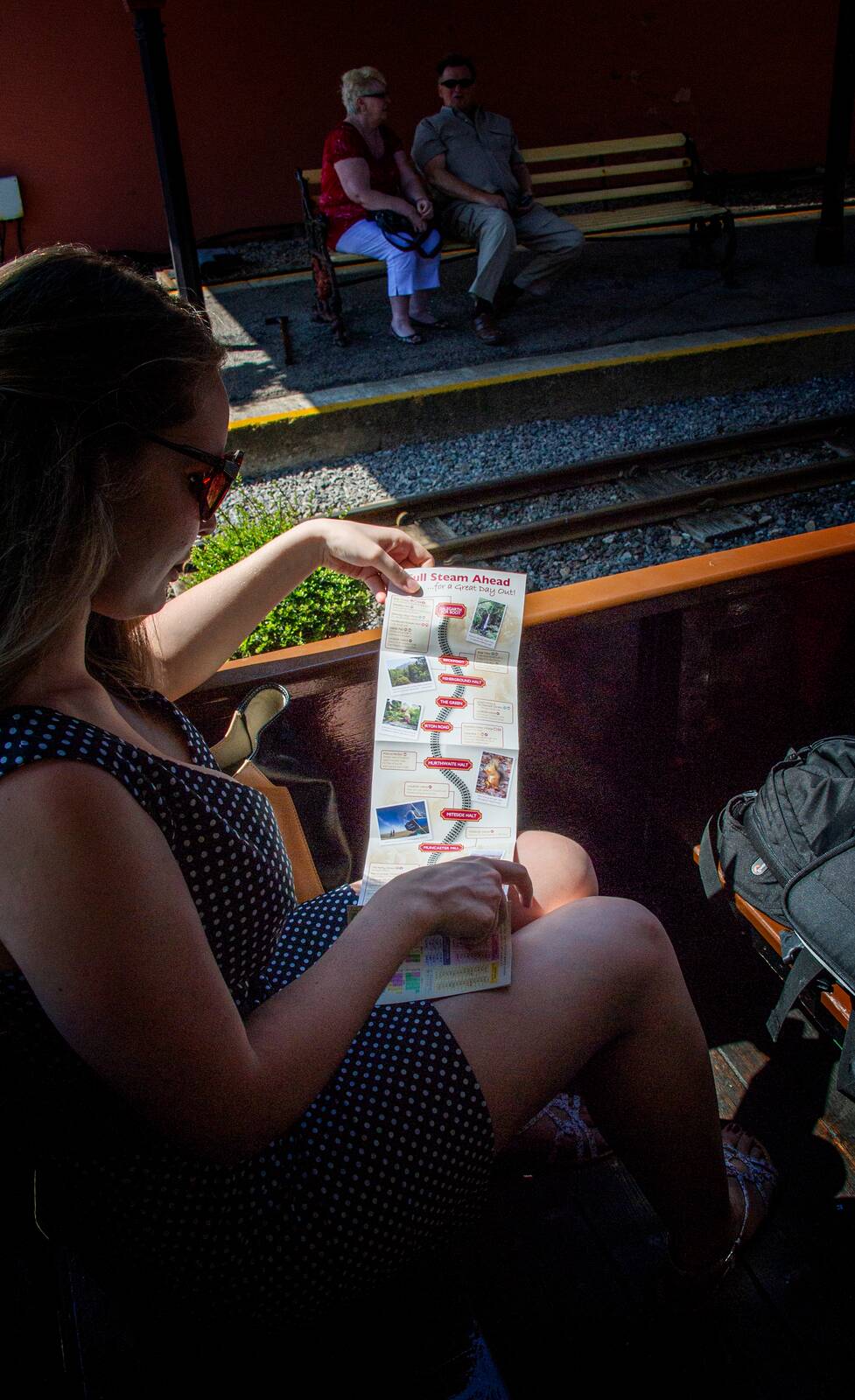
Passenger reading the railway leaflet
The passengerReading the line guide cover to cover — seven miles of it.
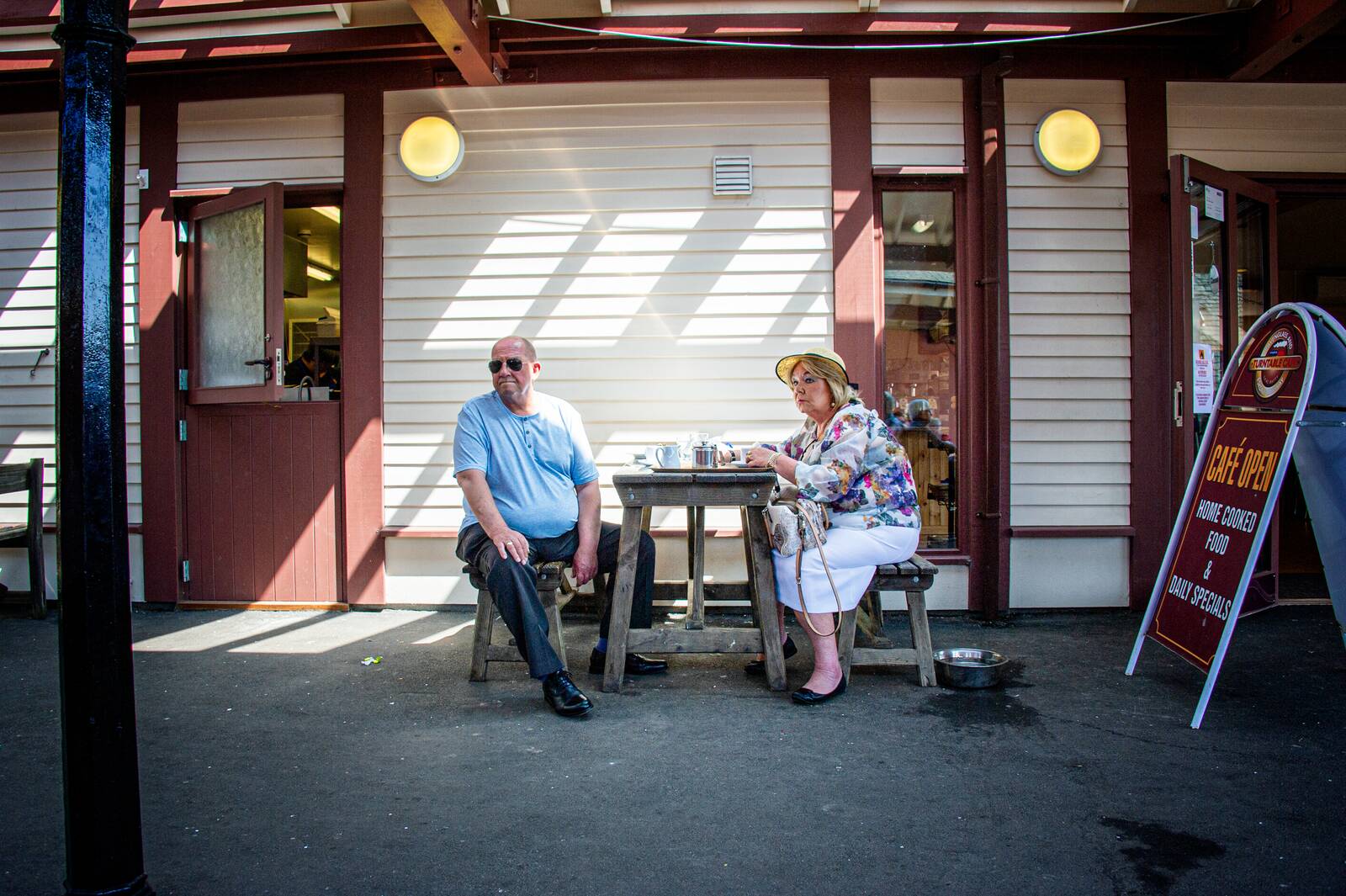
Couple at the station café
The regularsStation café, morning sun, nowhere better to be.
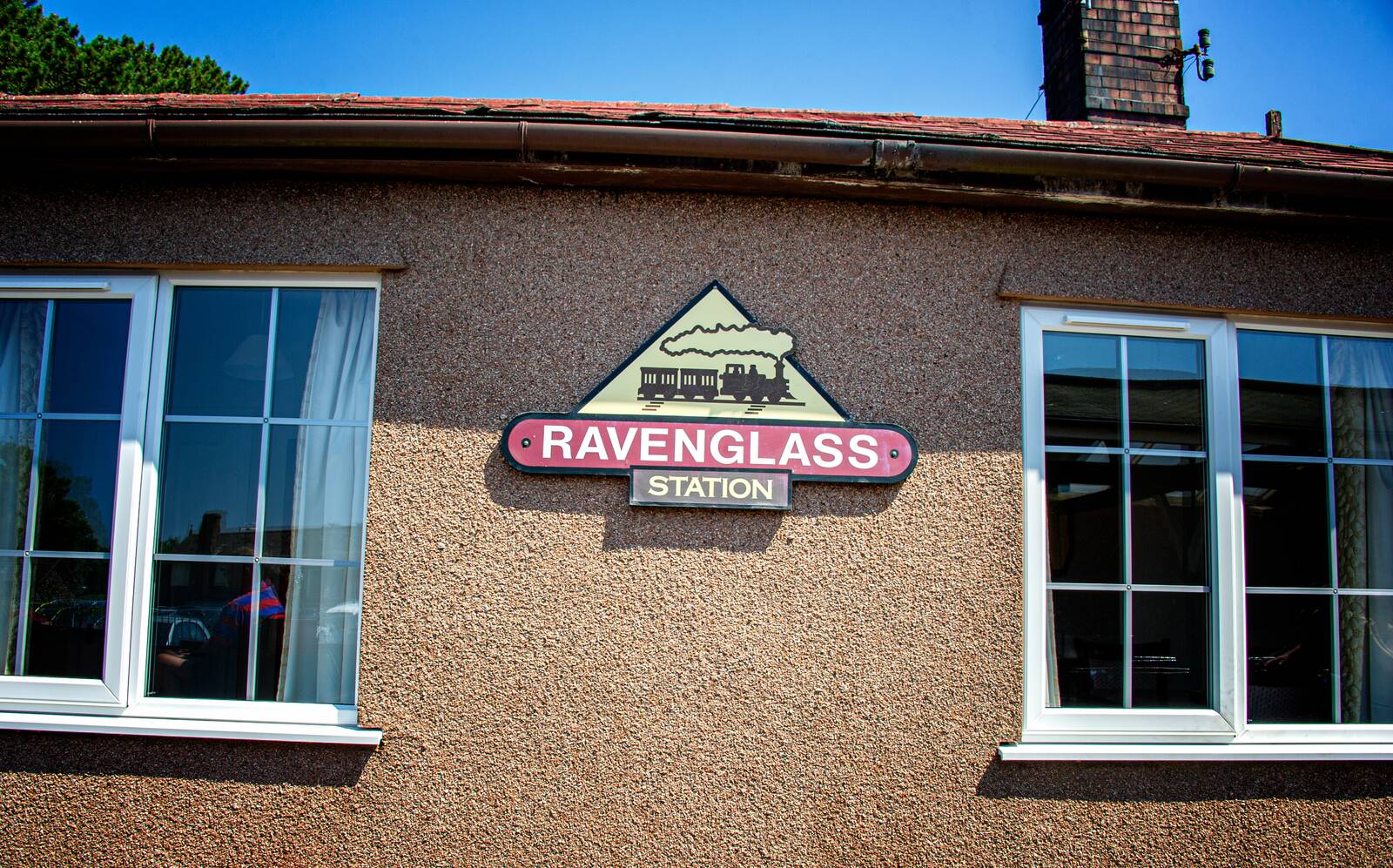
Ravenglass station sign

RavenglassThe only coastal village in the national park — Roman port, railway terminus, population: not many, all content.

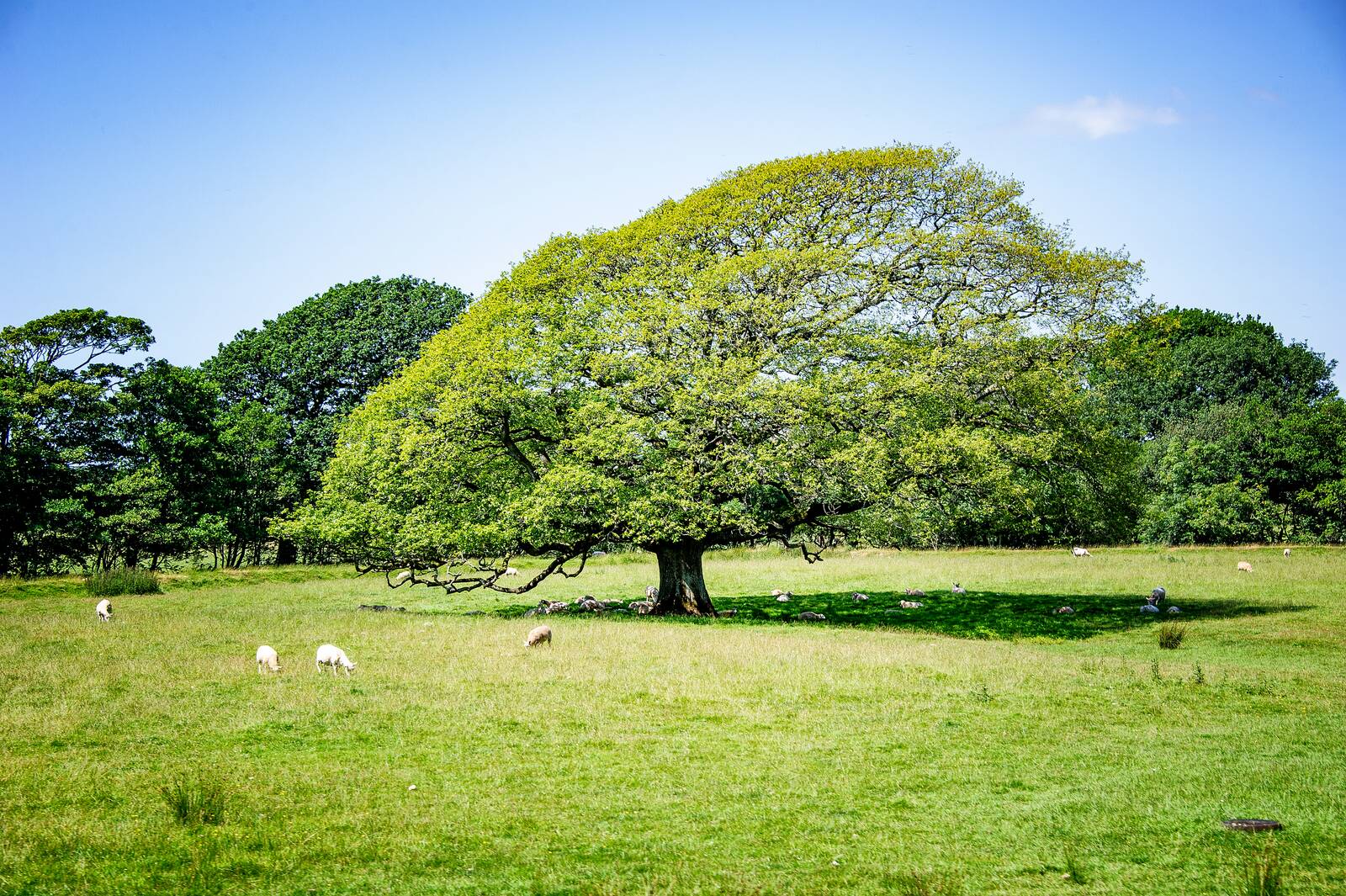
A great sycamore over grazing sheep

The parish treeOne sycamore doing the work of a cathedral, congregation of sheep below.

VI

Wast Water

The dark water

England's deepest lake · Wasdale
79 m the Screes — 600 m of scree running straight into the water WAST WATER England's deepest lake — its floor lies below sea level section, not to scale — nothing about Wasdale is to scale

Section through the valley — drawn from the shore, verified by shivering.

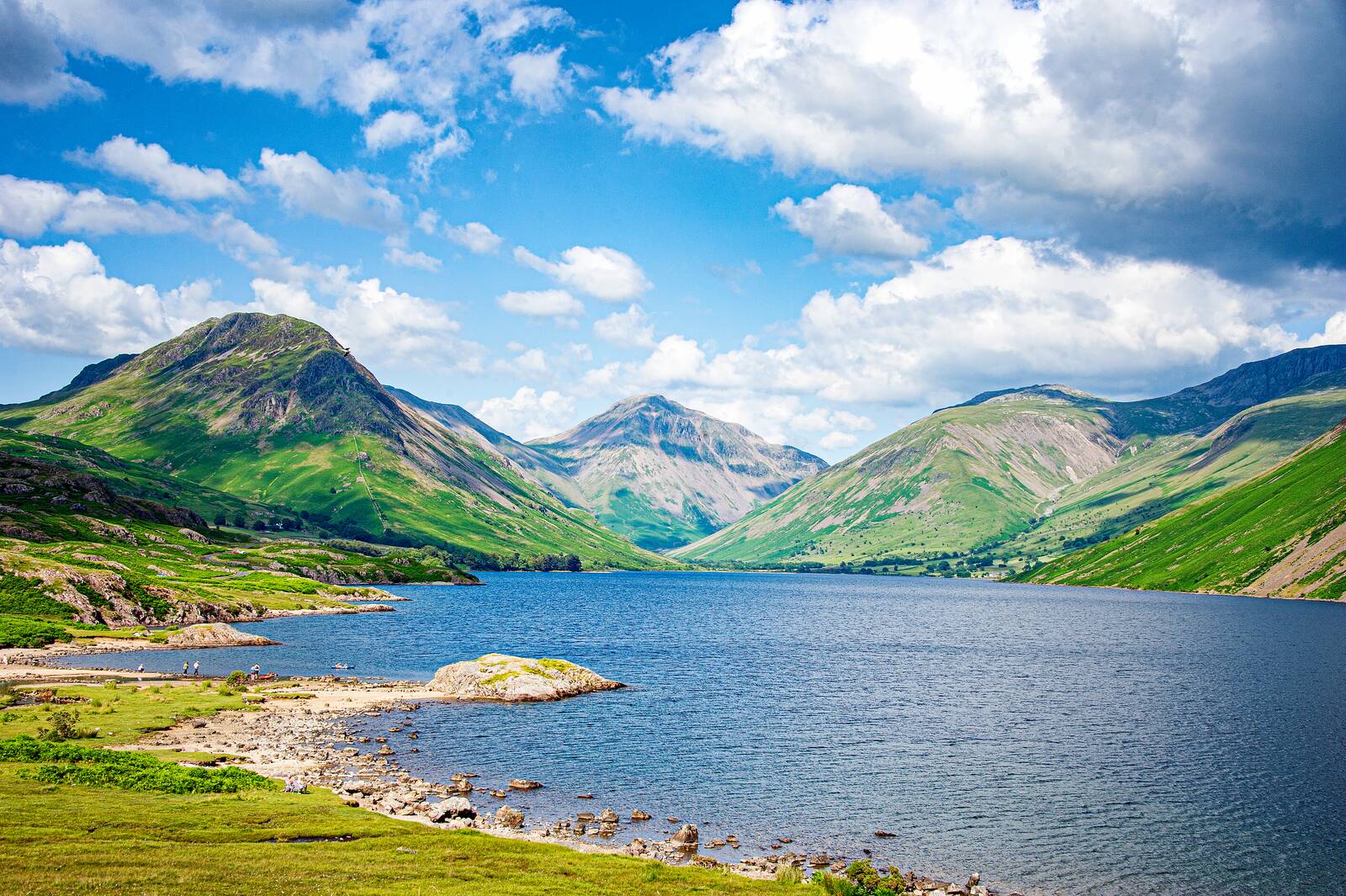
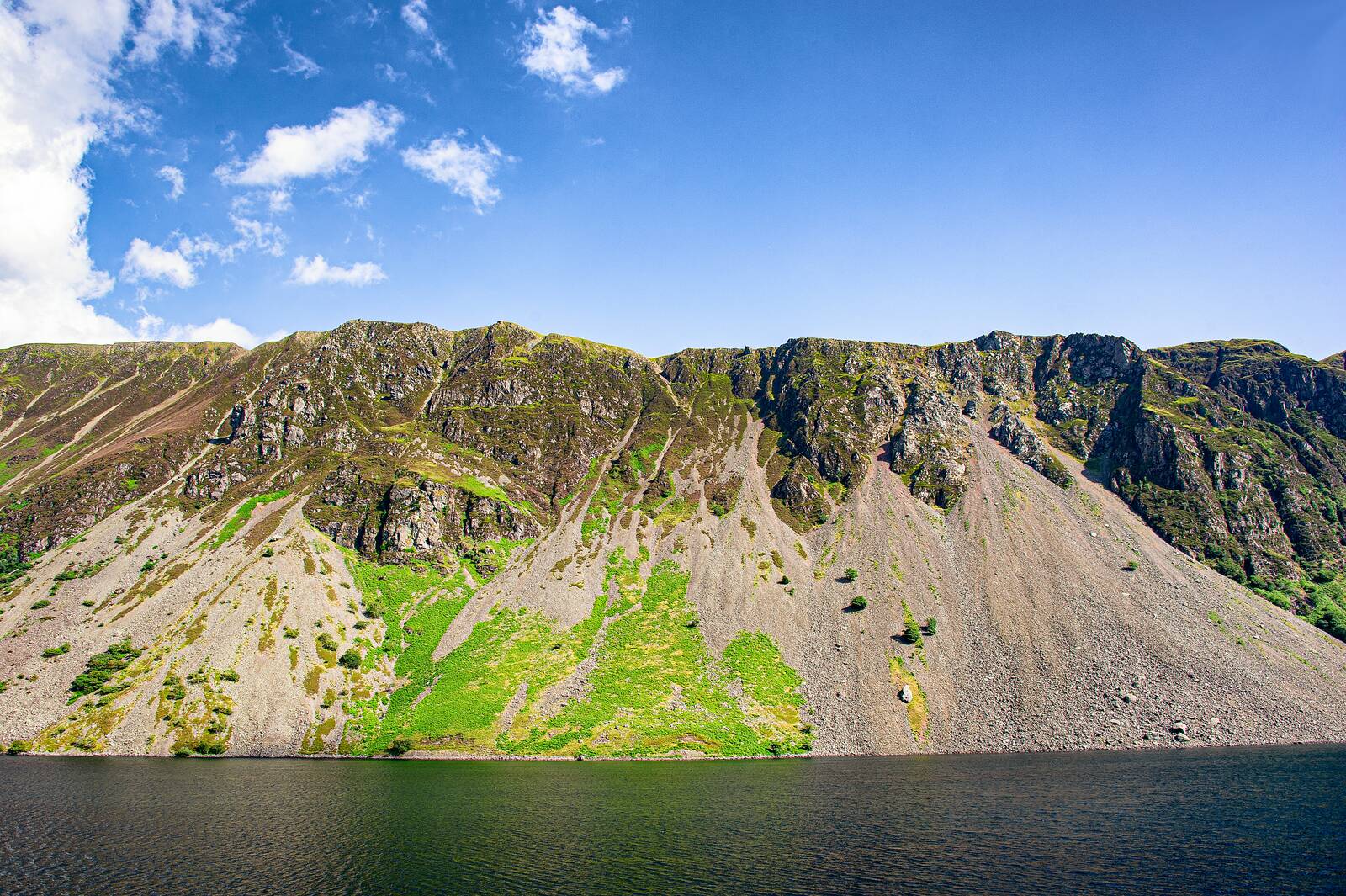
The Wast Water Screes falling into the lake

The Screes fall six hundred metres
and keep falling, underwater, to a floor
below the level of the sea.

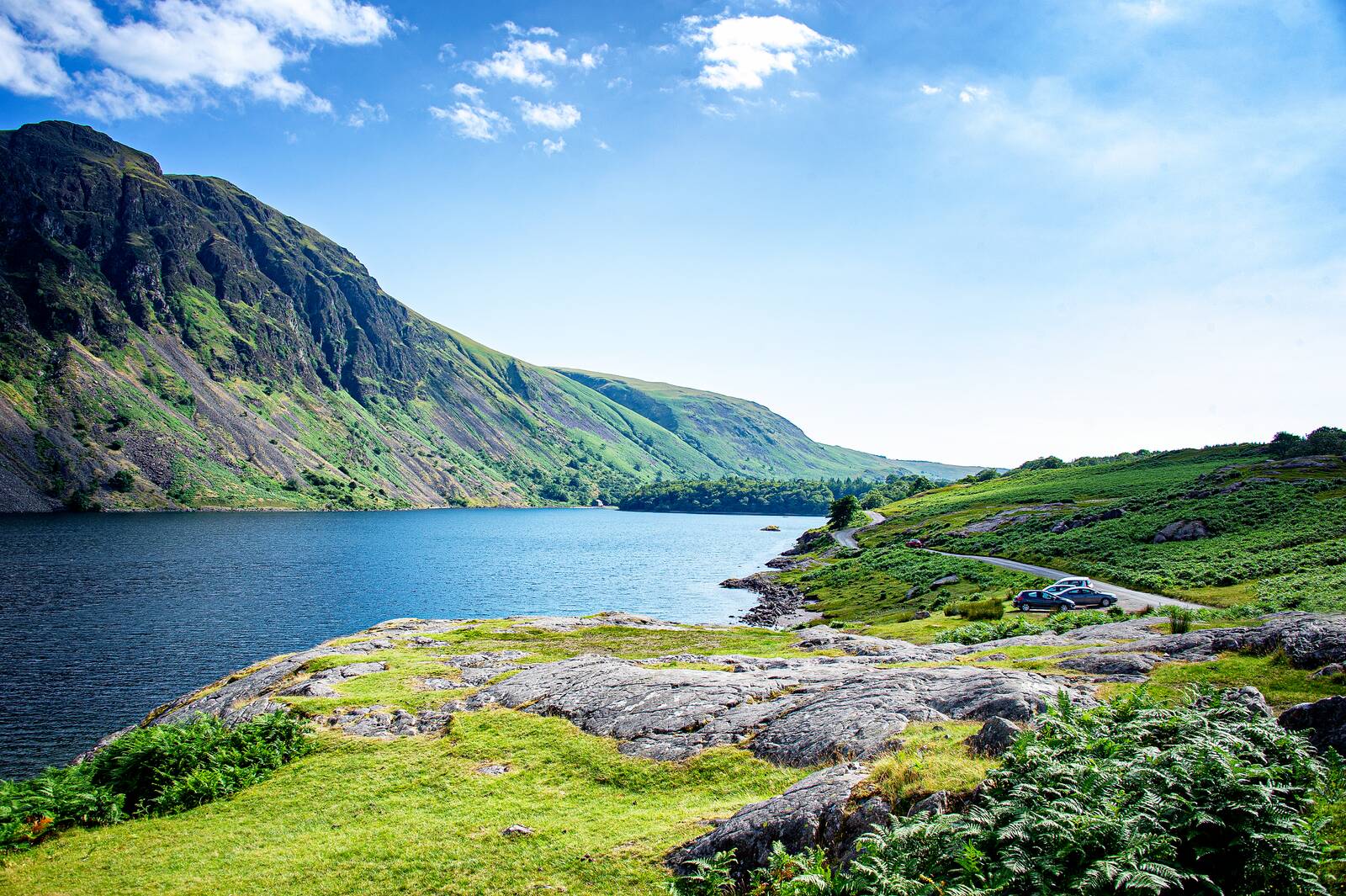
Wast Water and the valley head

The head of the daleRock, water, and the road running out — Wasdale is where the Lake District stops being pretty and starts being serious.

VII

Torver

The village under the Old Man

And the thing over Little Arrow, 1954
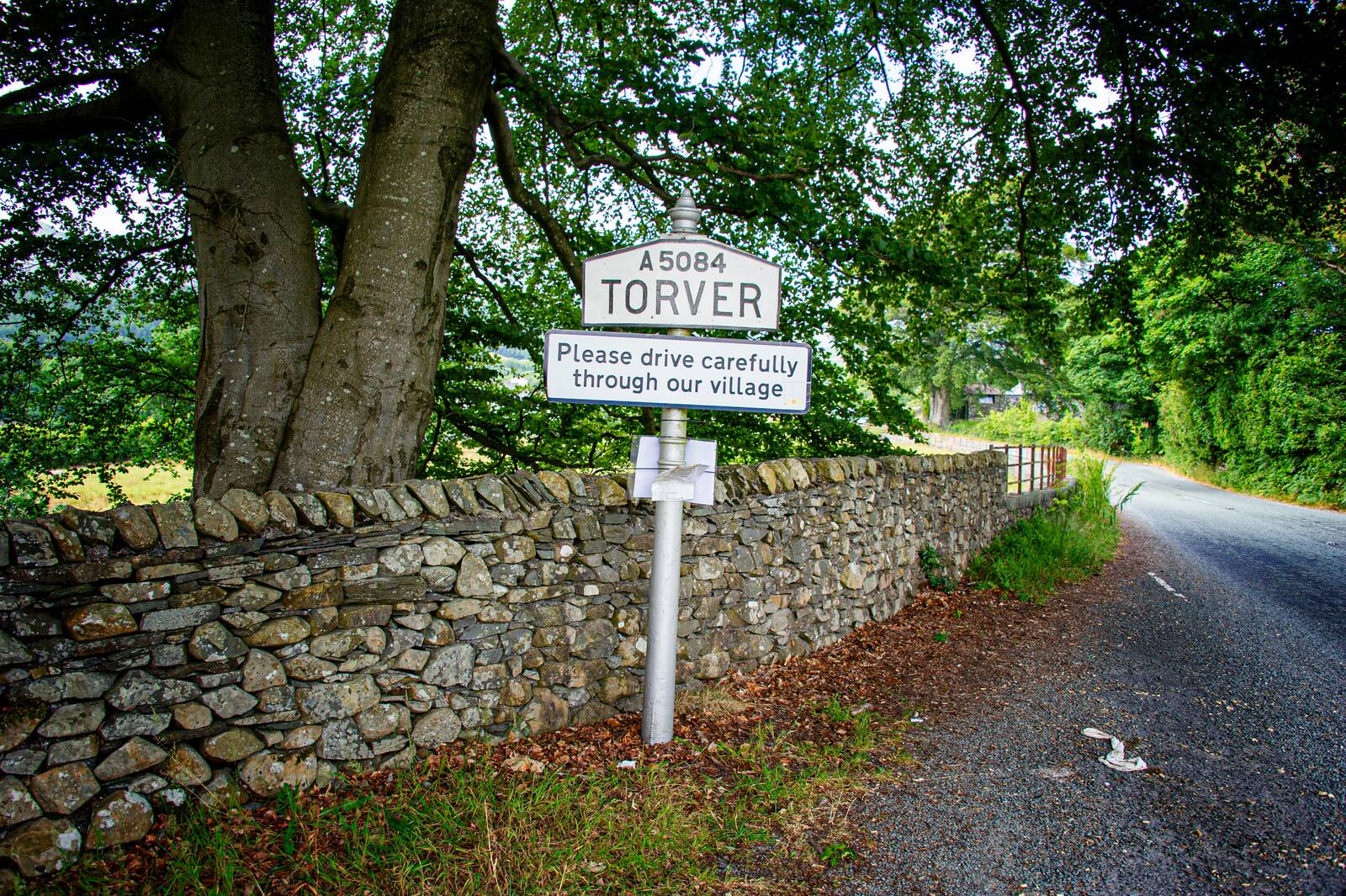
The Torver village sign on the A5084

The signPlease drive carefully through our village — population small, history considerable, airspace occasionally interesting.

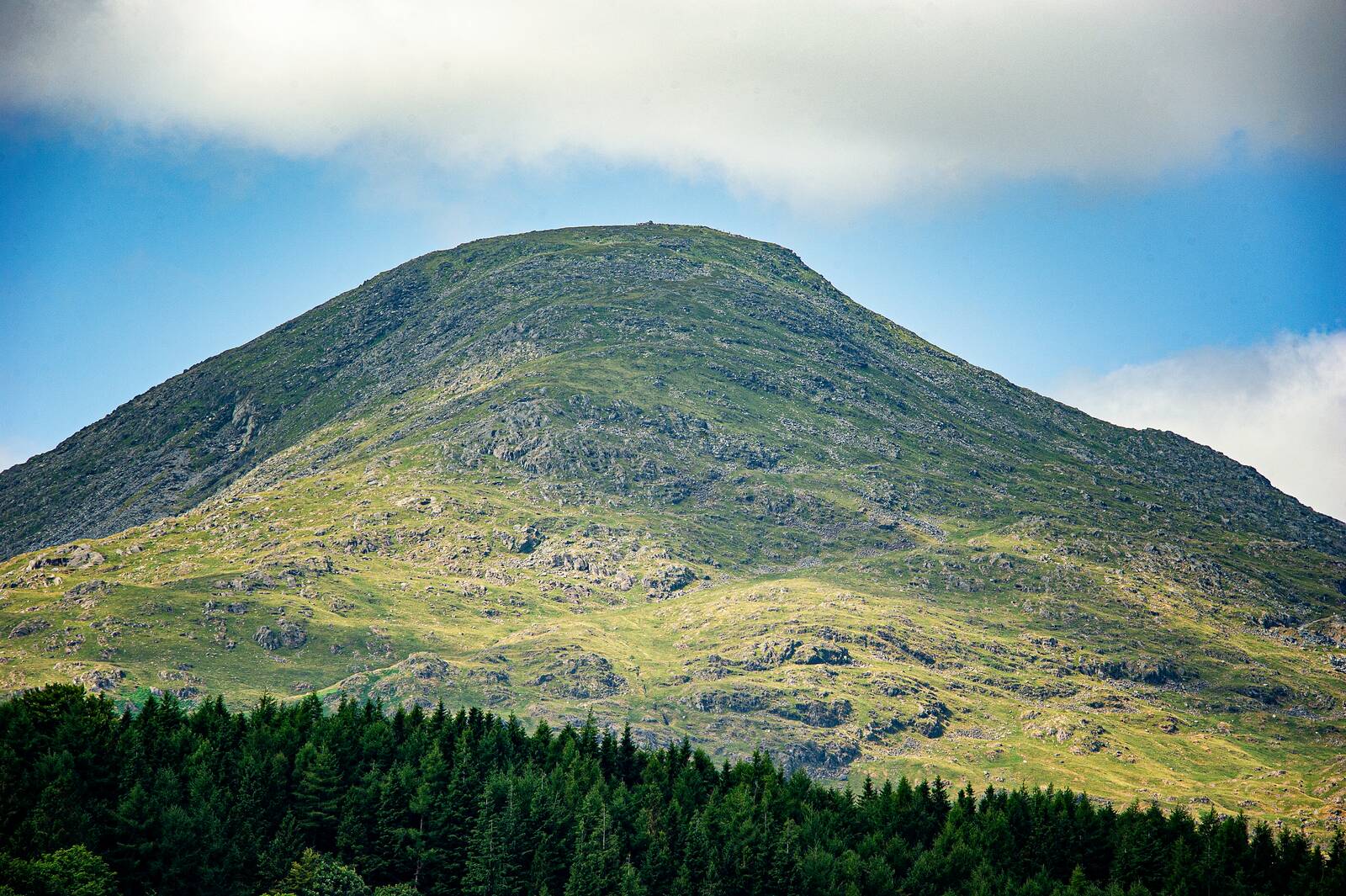
Coniston Old Man
The Old ManConiston Old Man, 803 metres, wearing its quarry scars like campaign medals.
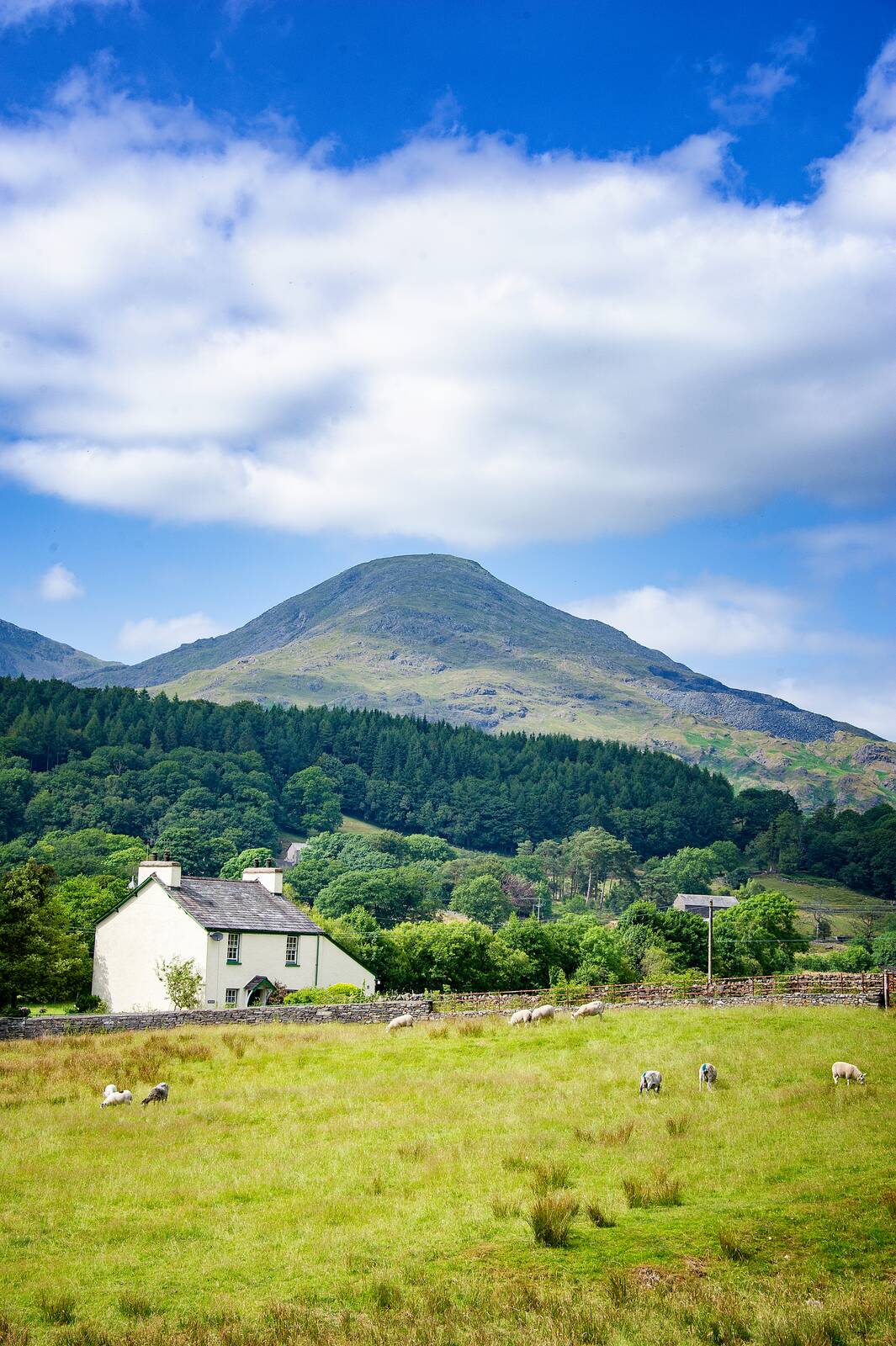
Farmhouse below the Old Man
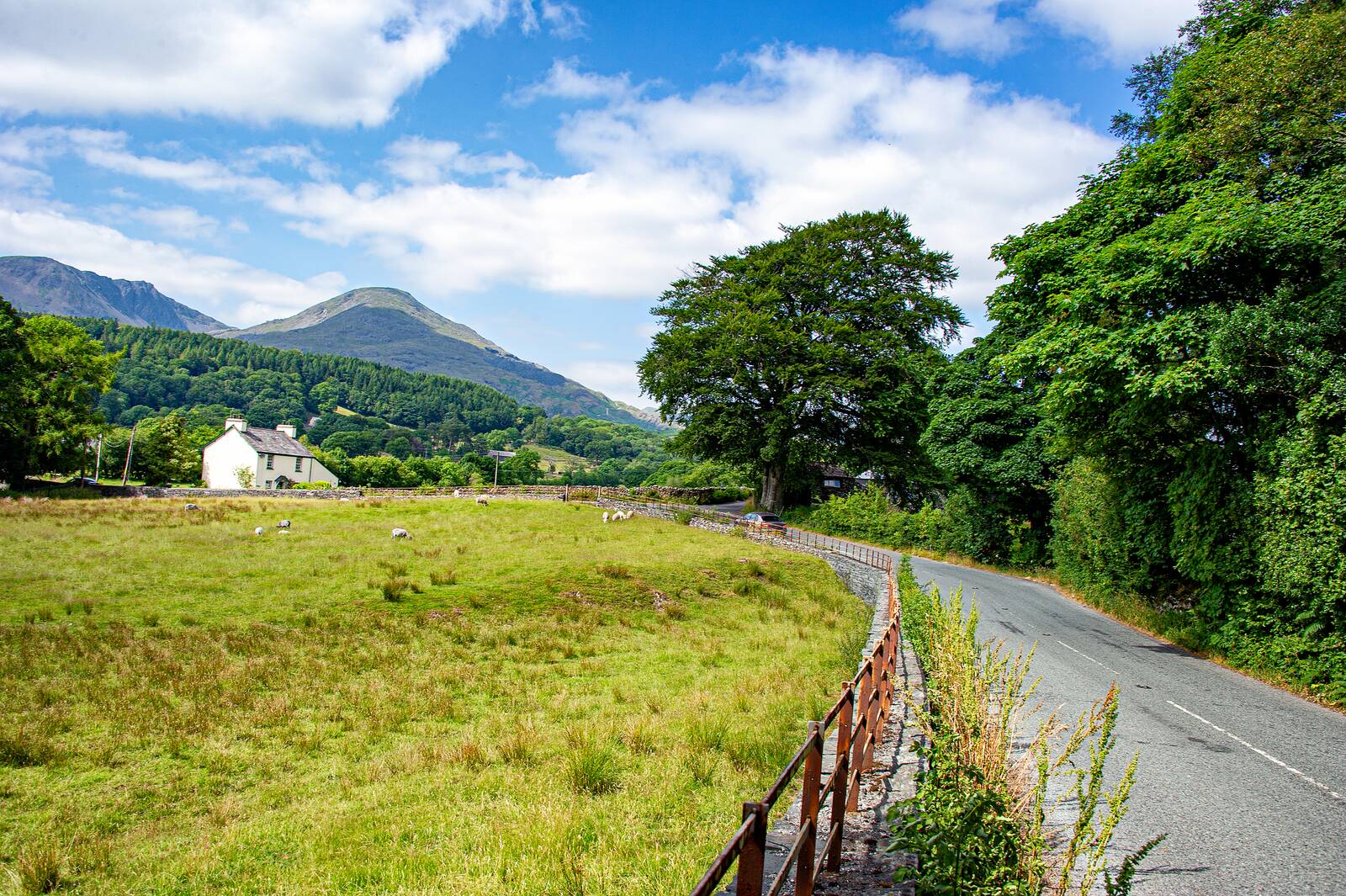
Under the fellWhite farmhouses graze at its feet, unbothered by anything the sky has ever done.
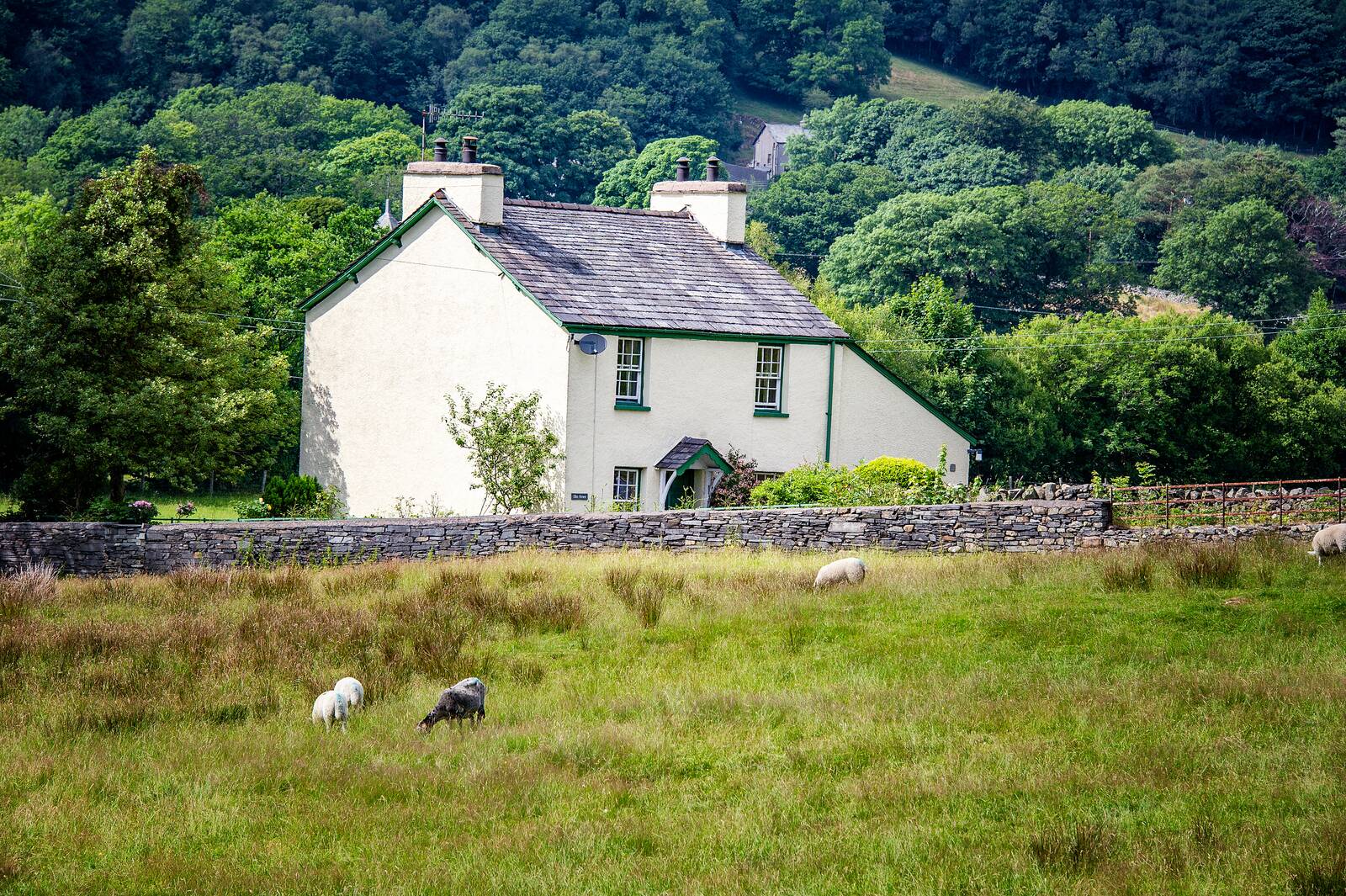
White farmhouse with sheep
The farmSheep-bitten grass to the doorstep.
Cottage row at Torver
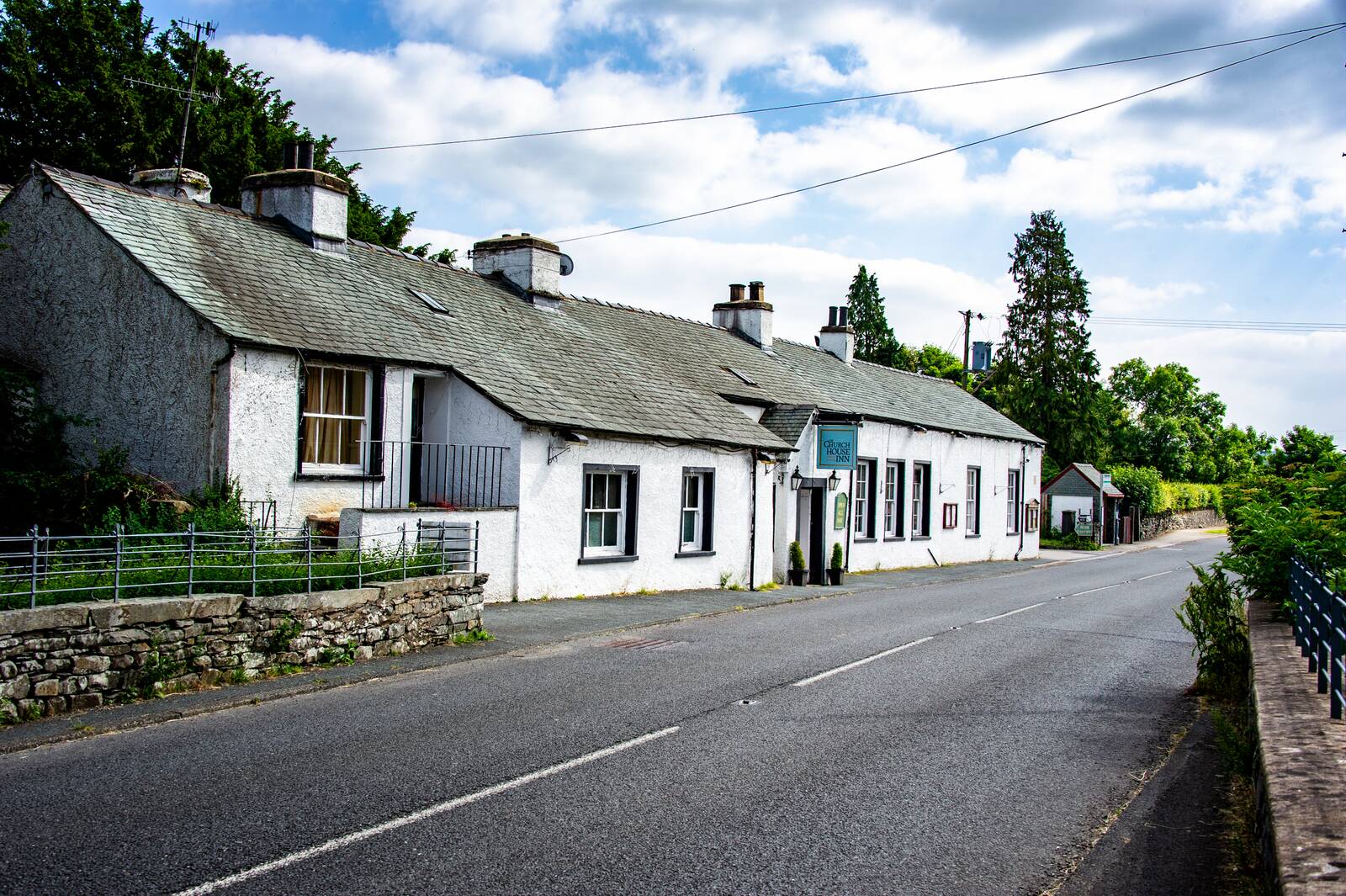
The rowWhitewashed cottages along the road that carried the copper, the slate, and one very strange story.
dome, flange, three-ball undercarriage — exactly like Adamski's, said the experts THE THING OVER LITTLE ARROW after the photograph by Stephen Darbishire, aged 13 — February 1954, below Coniston Old Man he never quite recanted, and never quite confirmed — the fell keeps that secret too

Plate VII: the most famous thing ever photographed above these fields.

The road toward Coniston Old Man past Little Arrow

In February 1954 a schoolboy stood in a field here
and photographed something
nobody has explained since.

Back to Bill

A book, a brew, a proper goodbye

Jack's Lad, 1953–2000
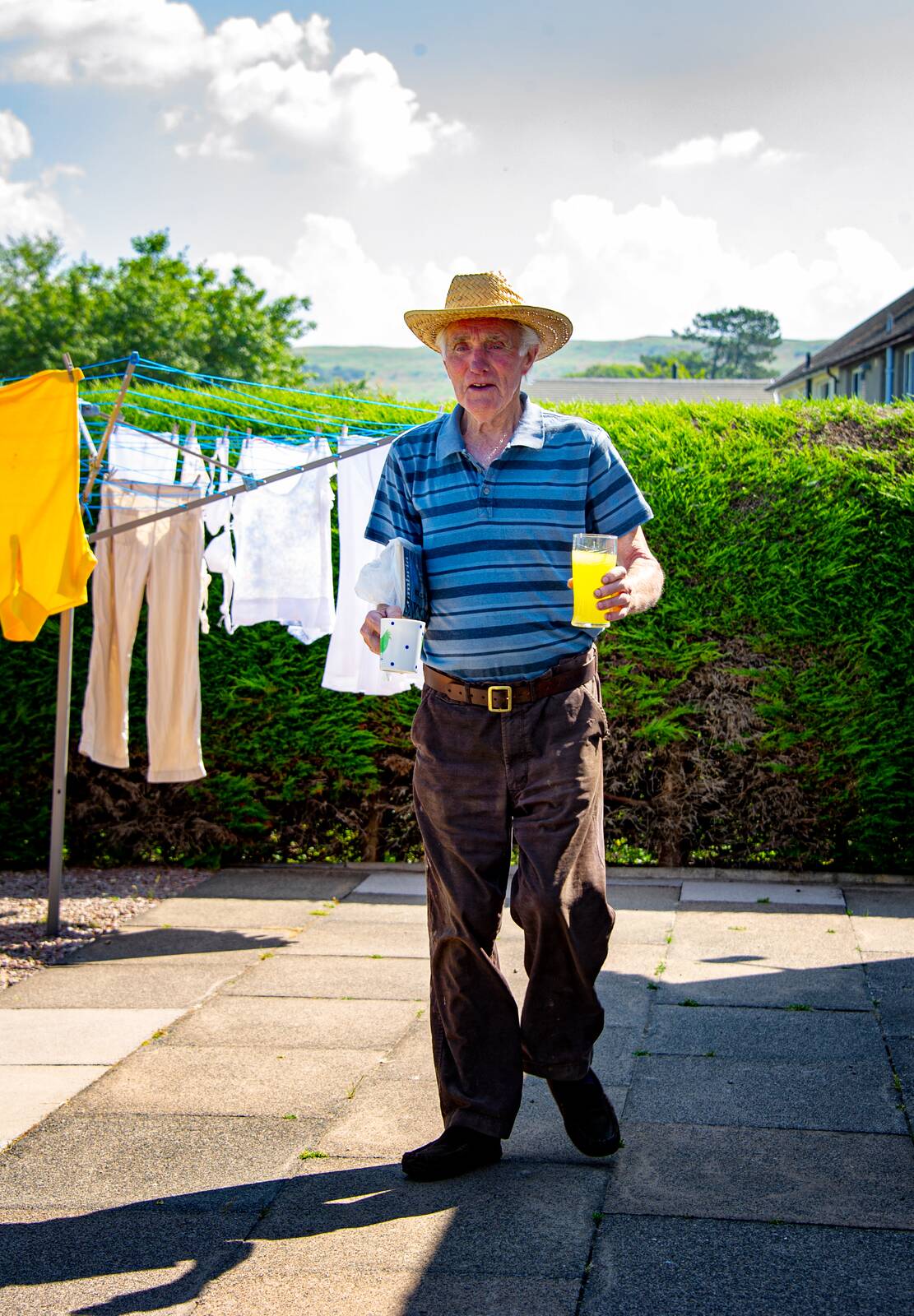
Bill by the washing line with a mug of tea

Day twoStraw hat, mug of tea, washing on the line — Bill receiving visitors in the full dress uniform of a Westmorland summer.

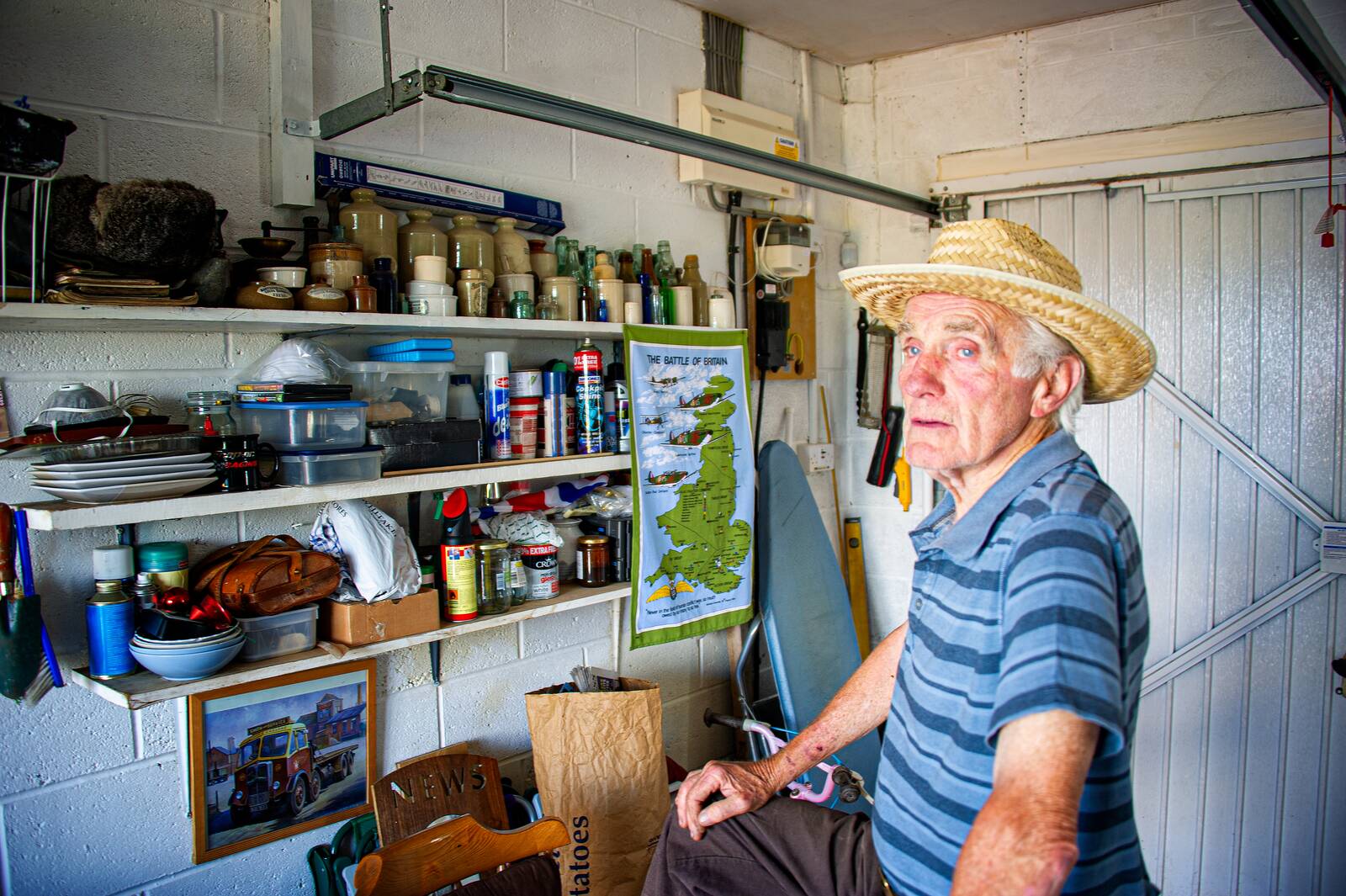
Bill in his workshop

The workshopBack among the shelves where fifty years of spanners retired but never quite left.

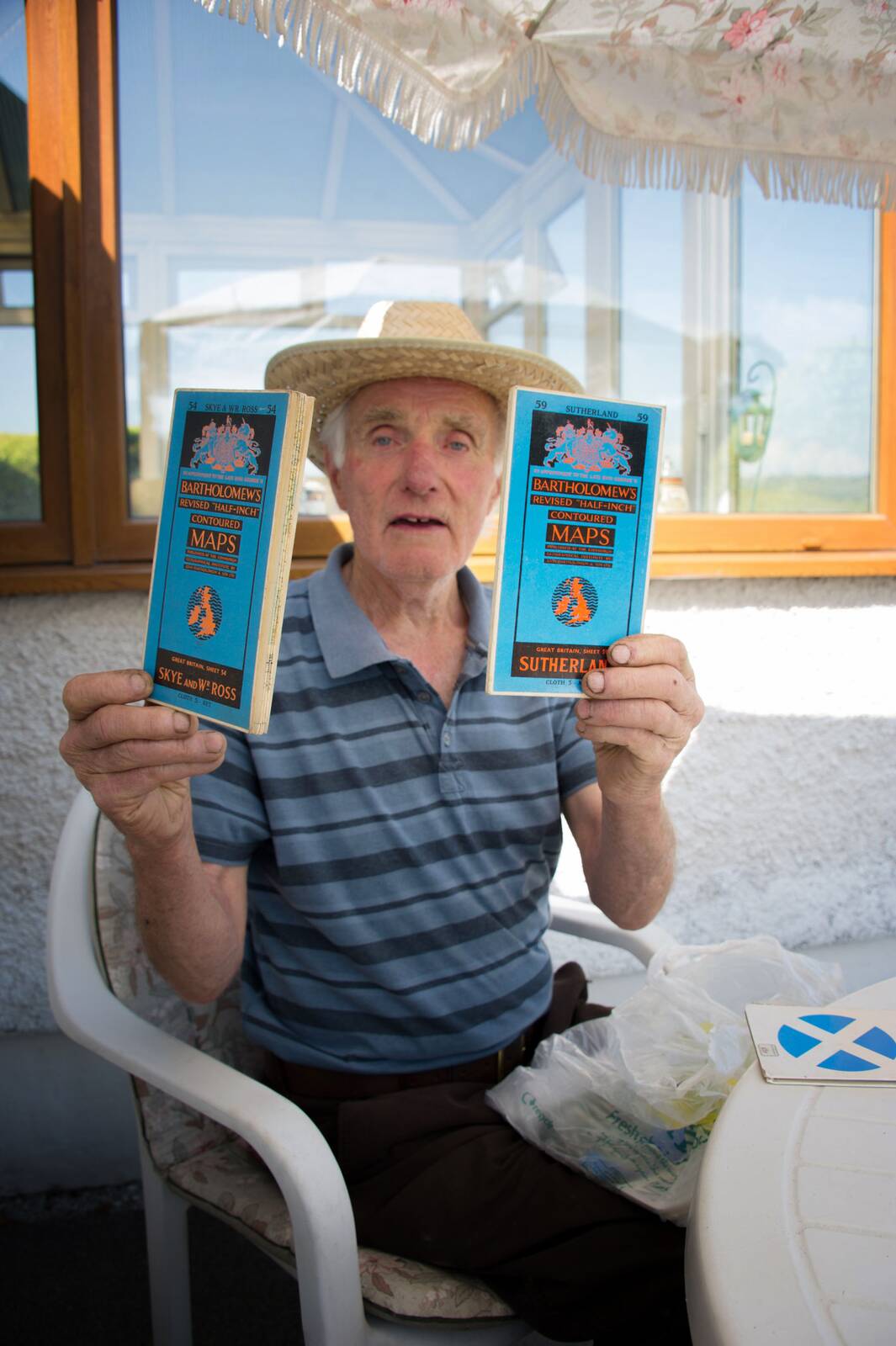
Bill holding up two copies of his book Jack's Lad
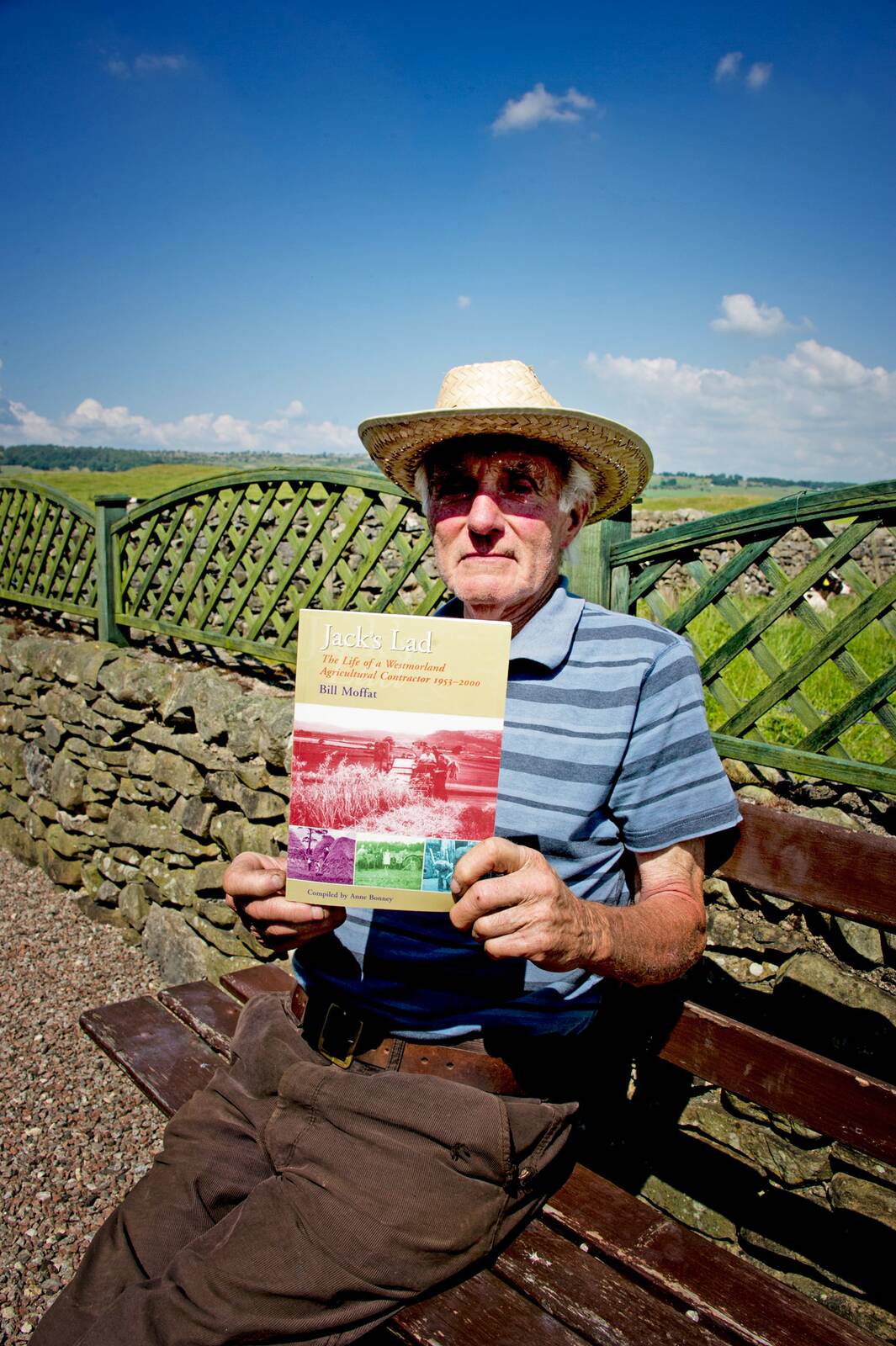
Jack's LadThe book he wrote it all down in: Jack's Lad — The Life of a Westmorland Agricultural Contractor, 1953–2000. Two copies held high, one lifetime inside.
Bill with his book in the garden
The authorEvery farm in the old county is somewhere in these pages, and he can tell you the field.
Into the Lakes
Photo Stories — the collection Into the LakesBack to all stories